
Preserving the Soul of Two Wheels
Step Inside Gresham’s Living Time Capsule
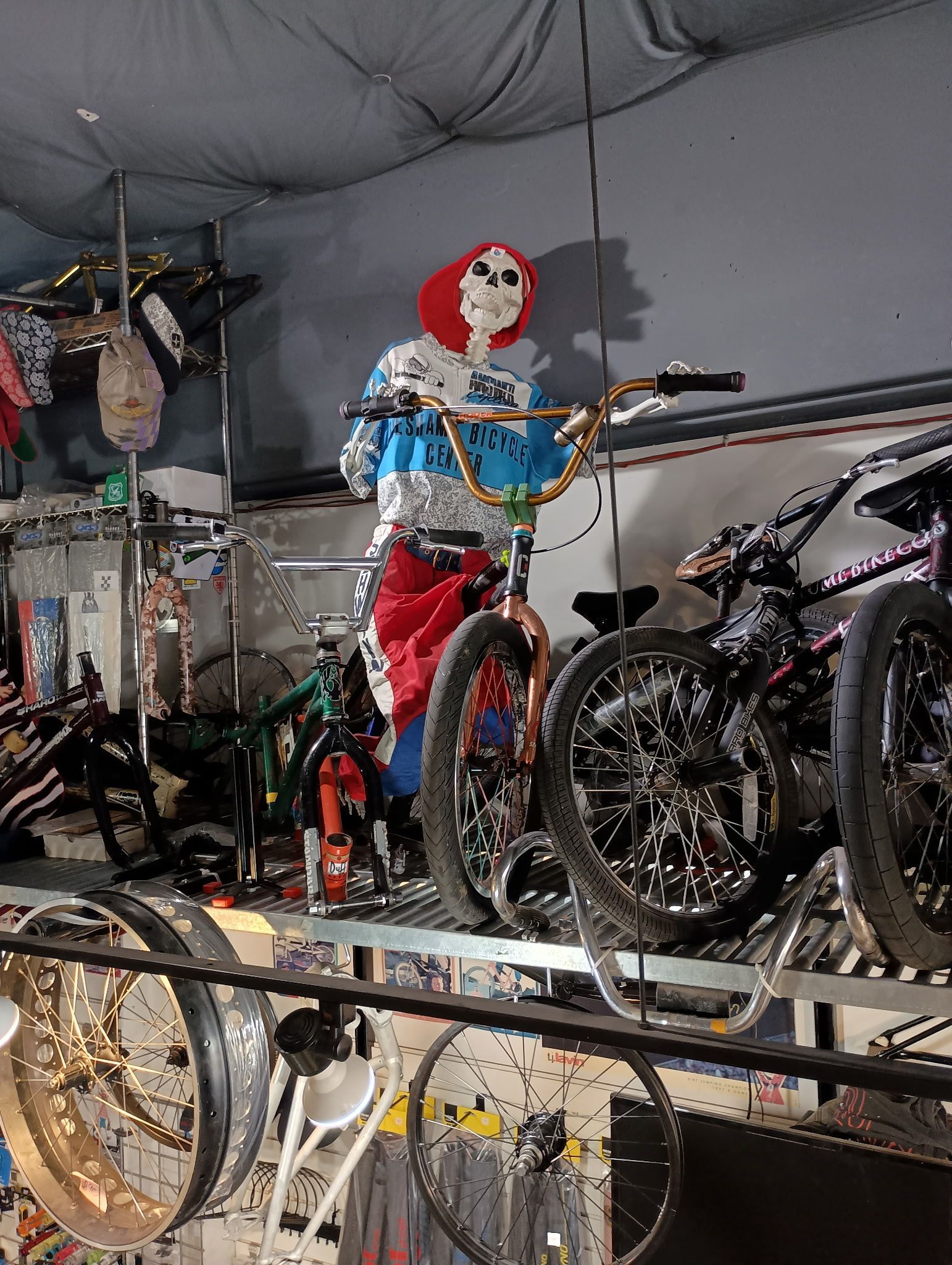
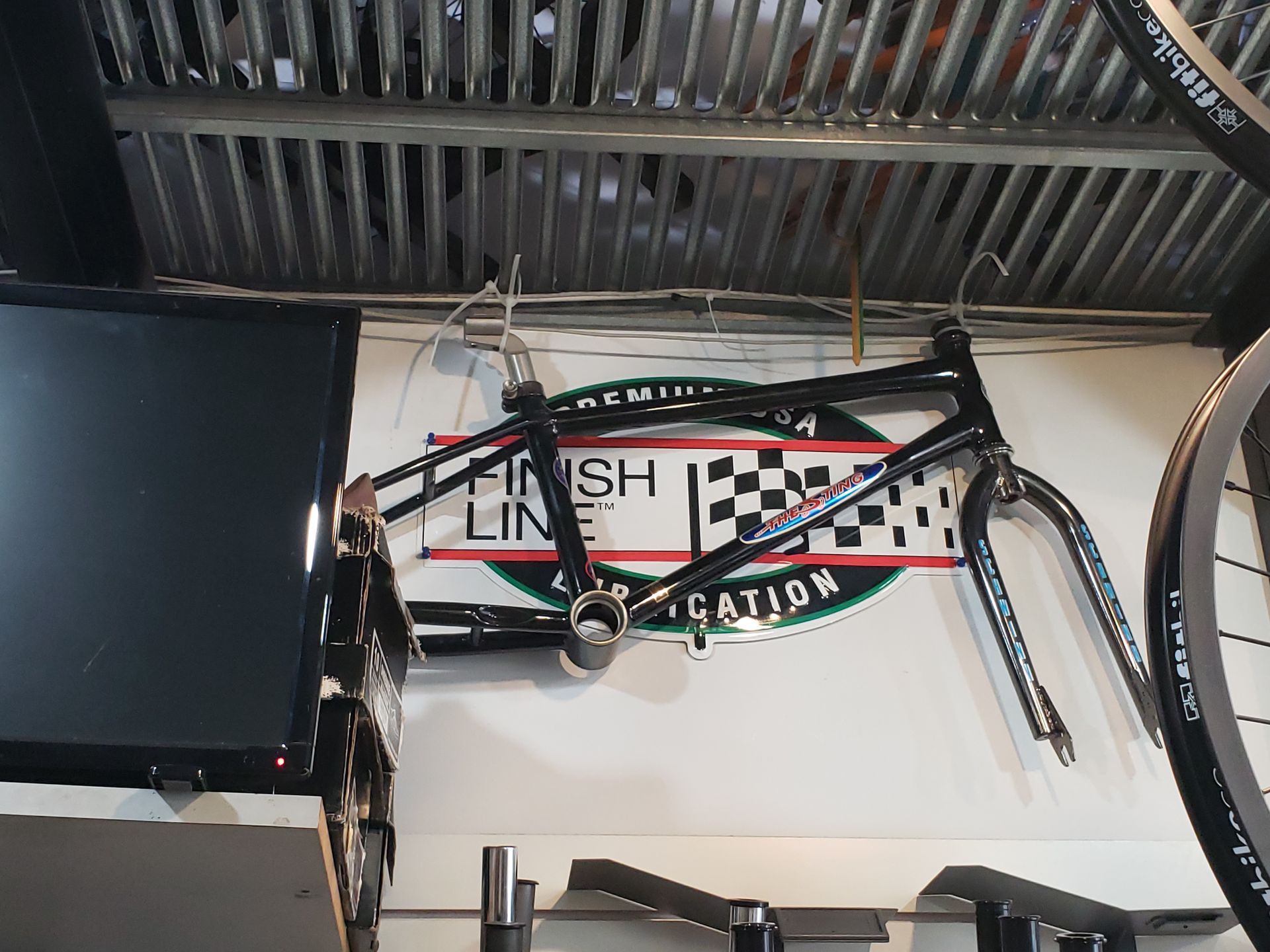
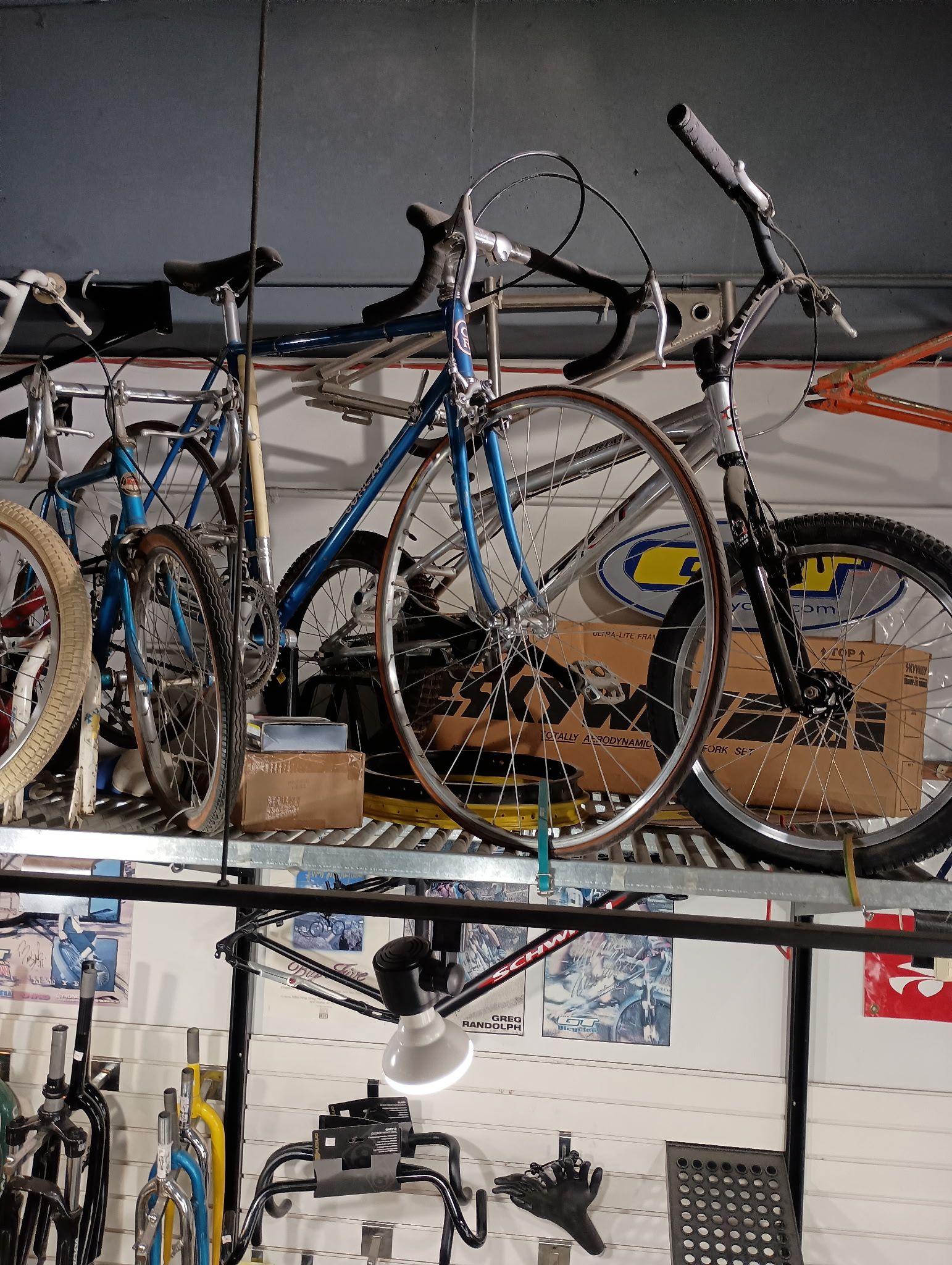
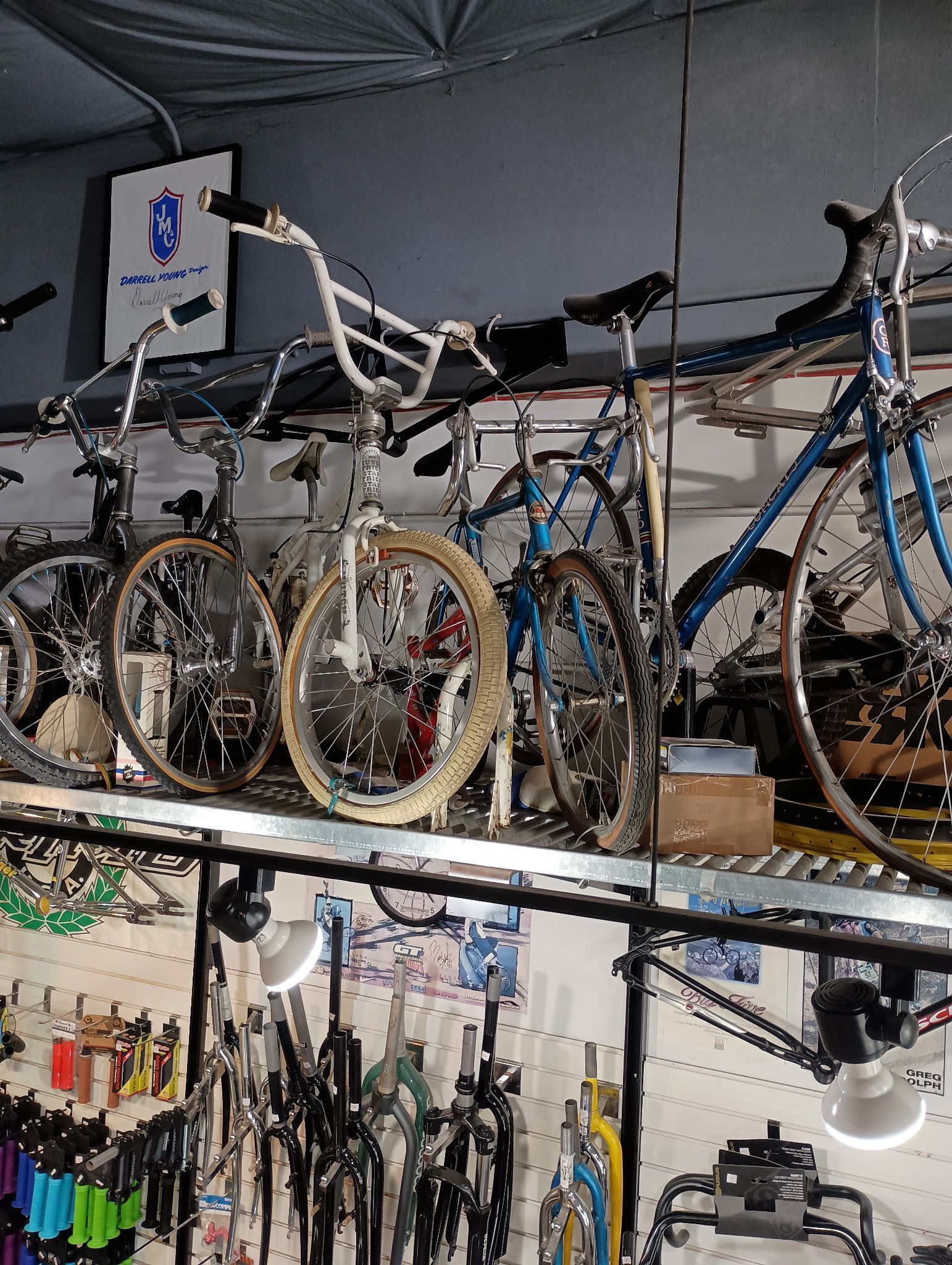
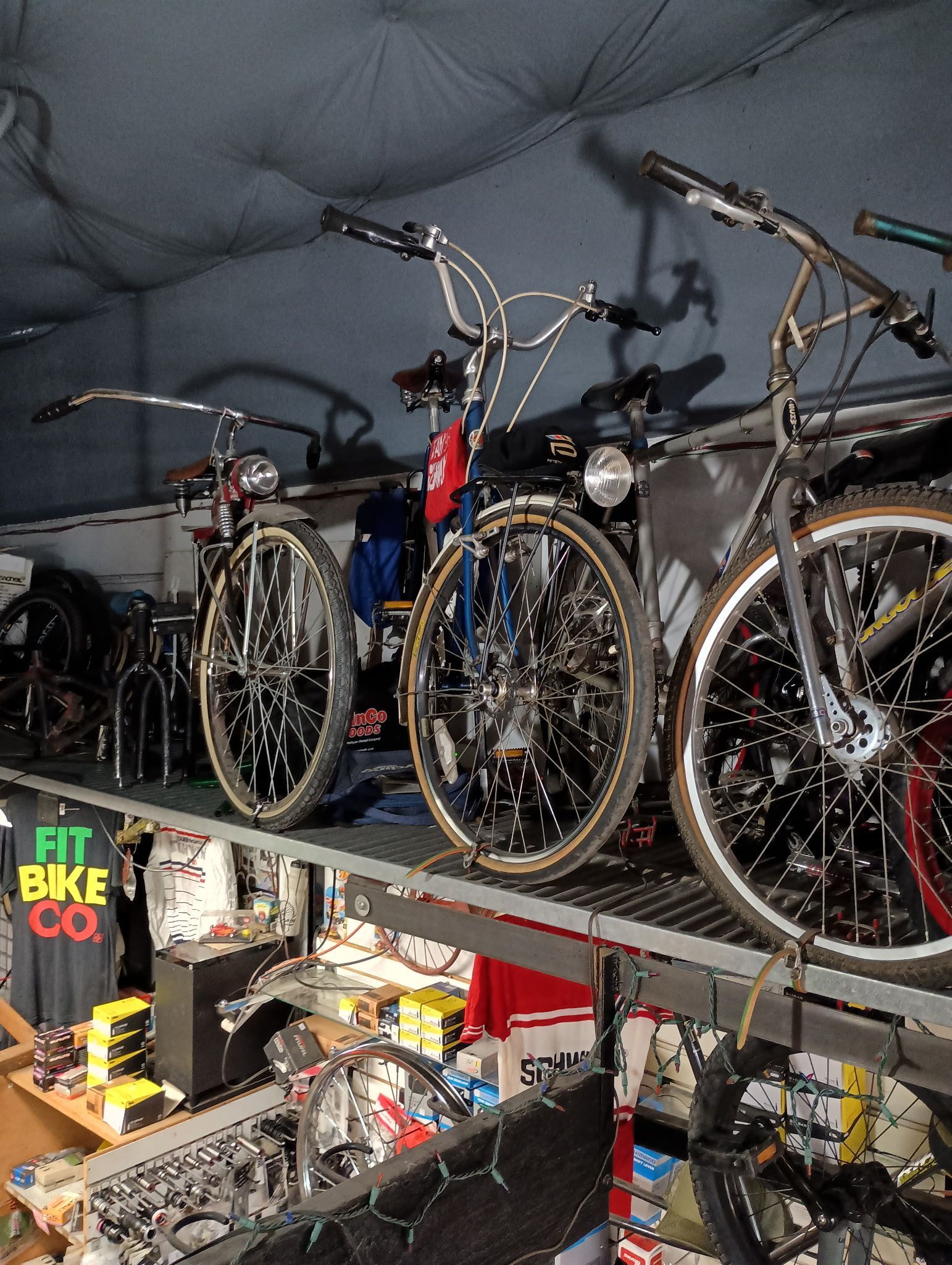
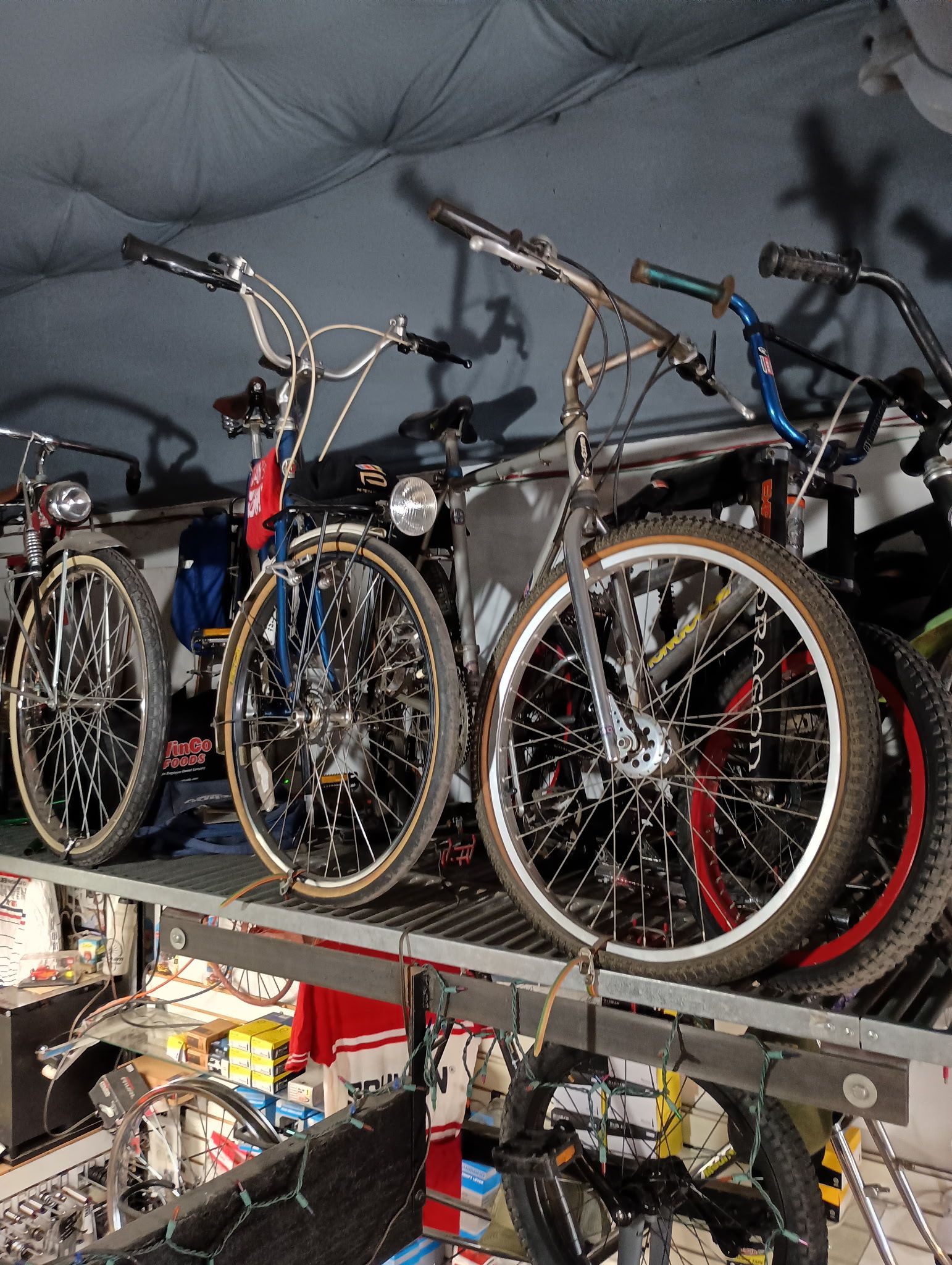
Before carbon fiber and digital telemetry took over, cycling was defined by raw steel, hand-pulled welds, and bold ingenuity. The Vault at Gresham Bicycle Center isn’t just a static display—it’s an active home for the rare icons, legendary custom builds, and groundbreaking frames that shaped modern bike culture.
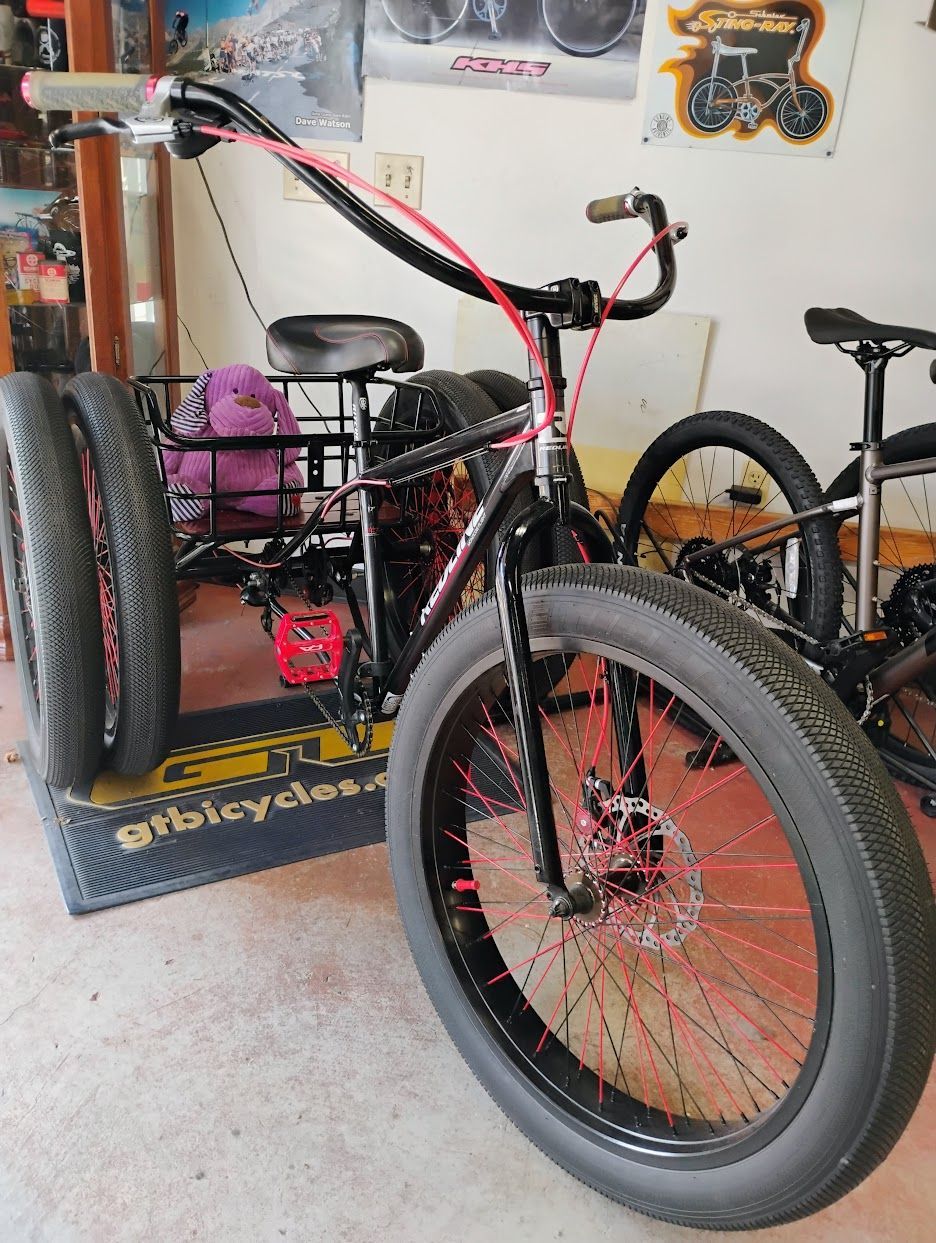
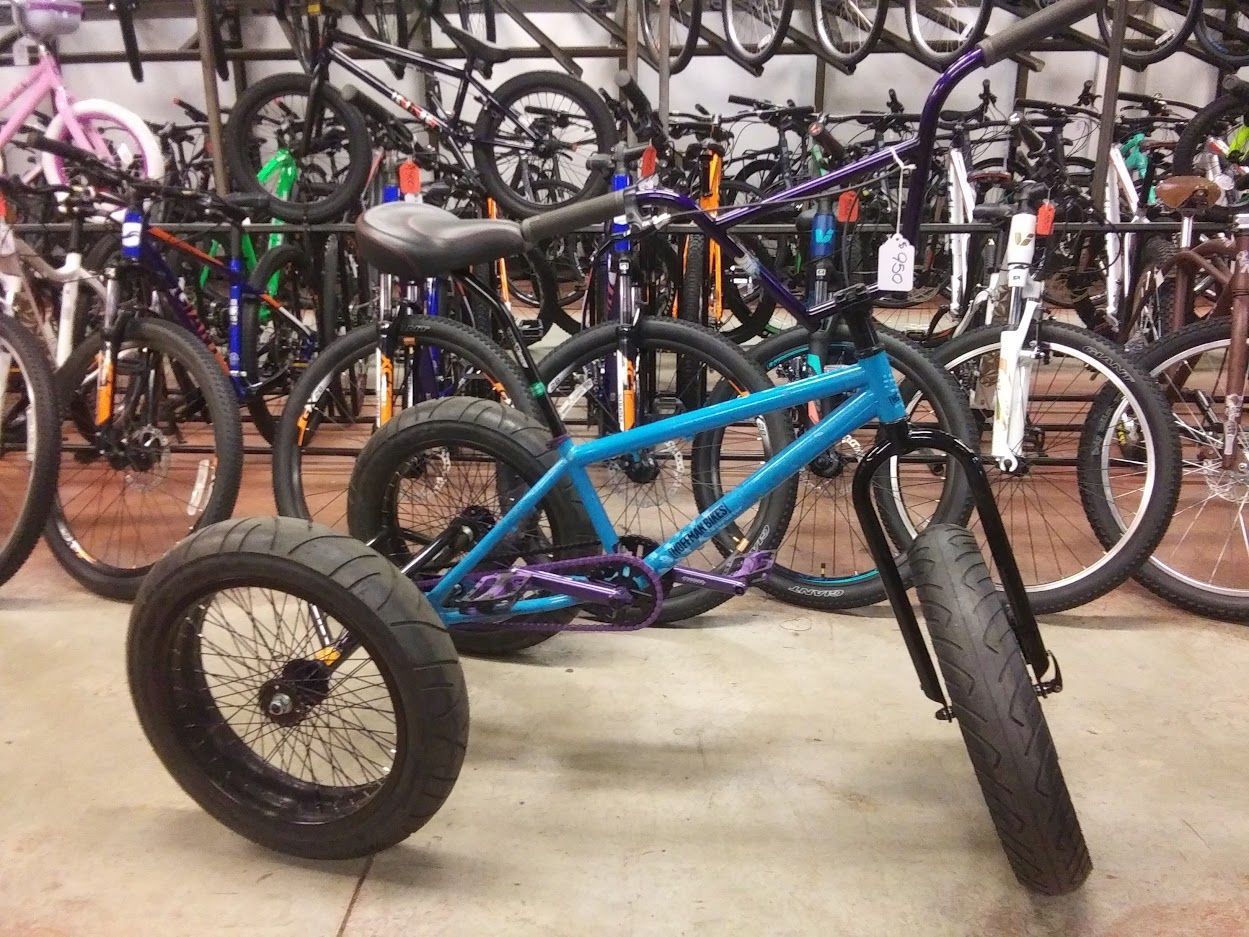
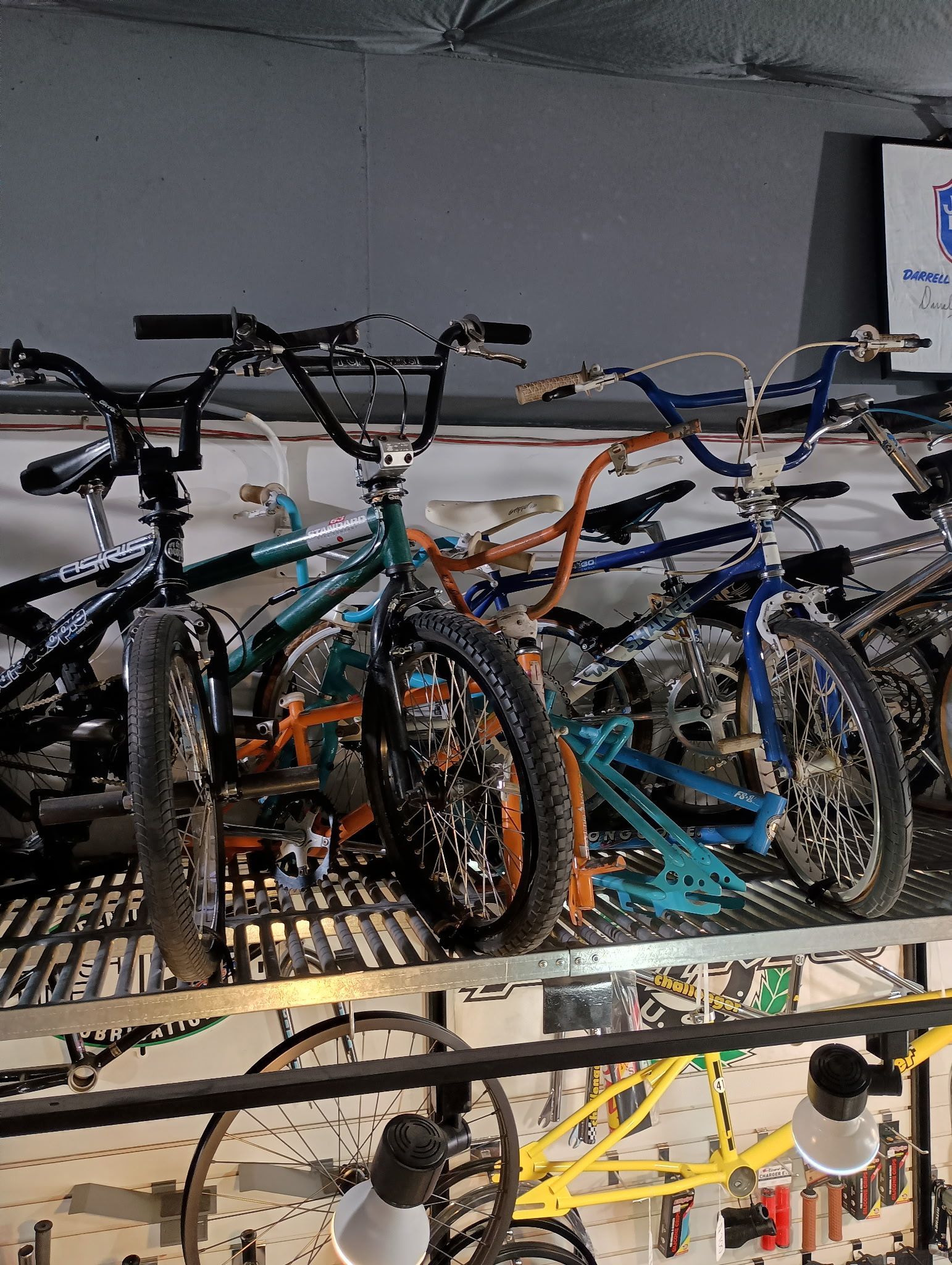
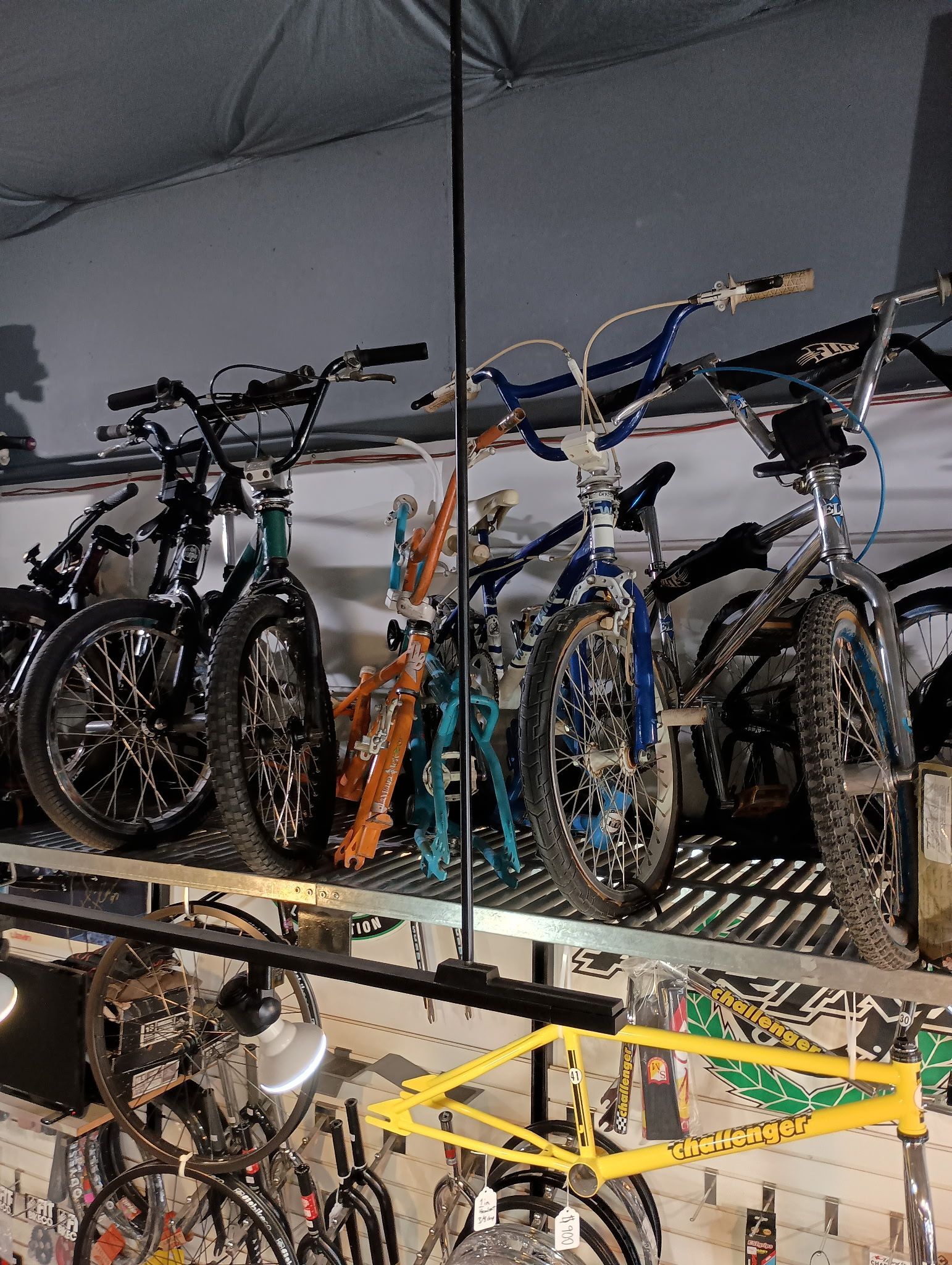
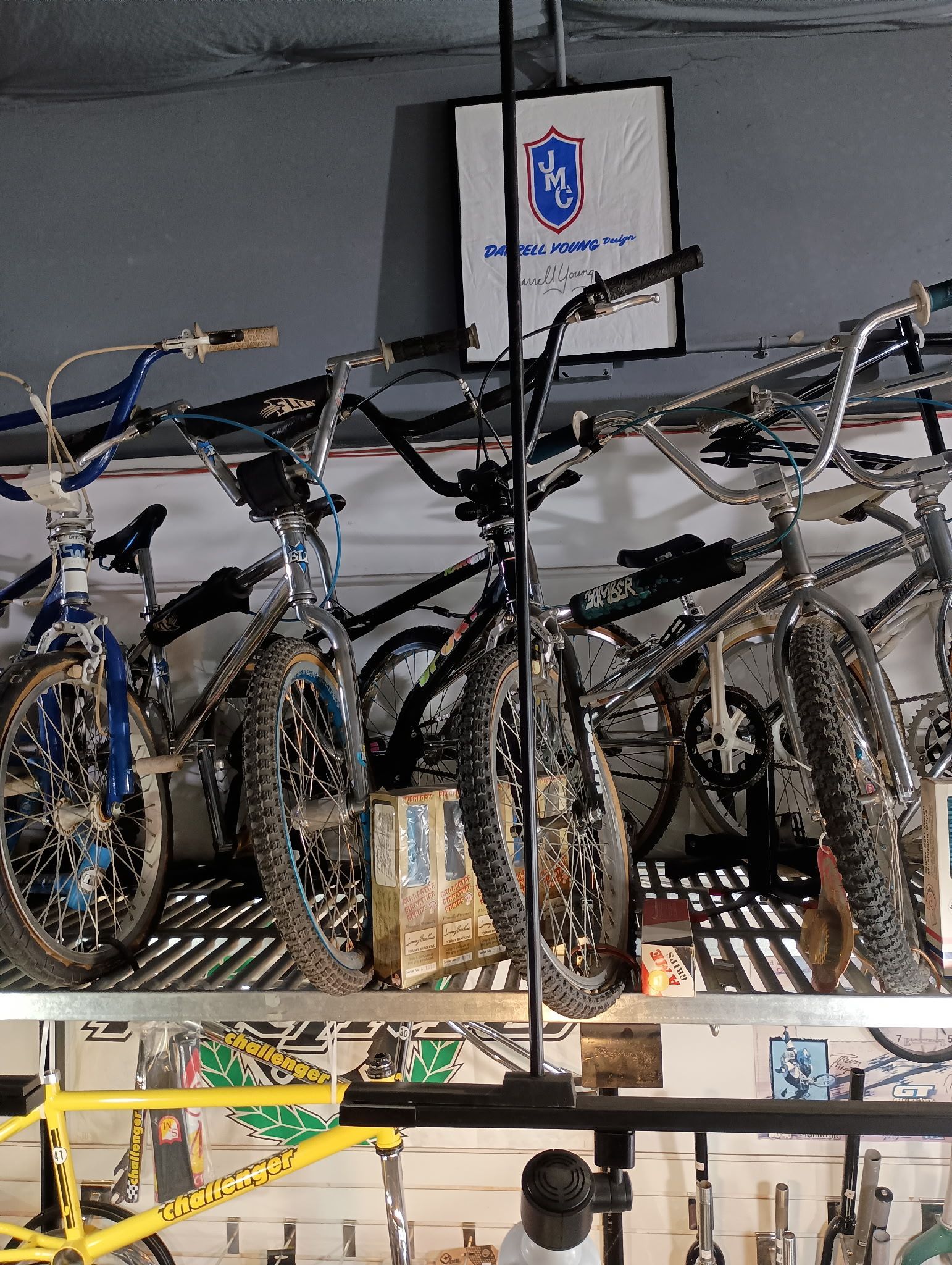
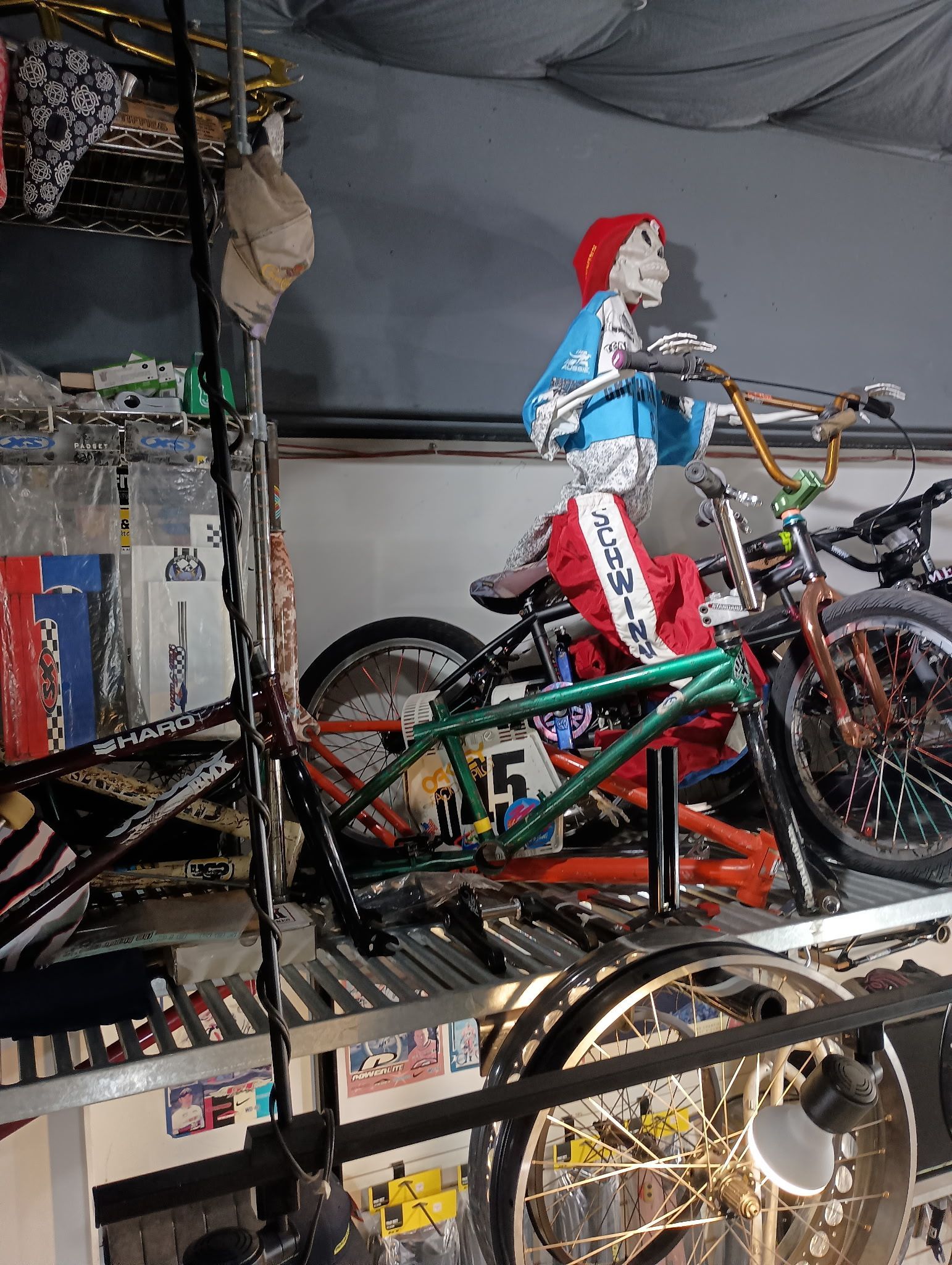
From the high-stakes BMX tracks of the 1980s to one-of-a-kind custom choppers engineered right on our shop floor, every machine in this space tells a story of craftsmanship, sweat, and speed. Whether you're hunting down a piece of childhood nostalgia or marveling at retro component engineering, you're looking at the exact DNA of cycling history.
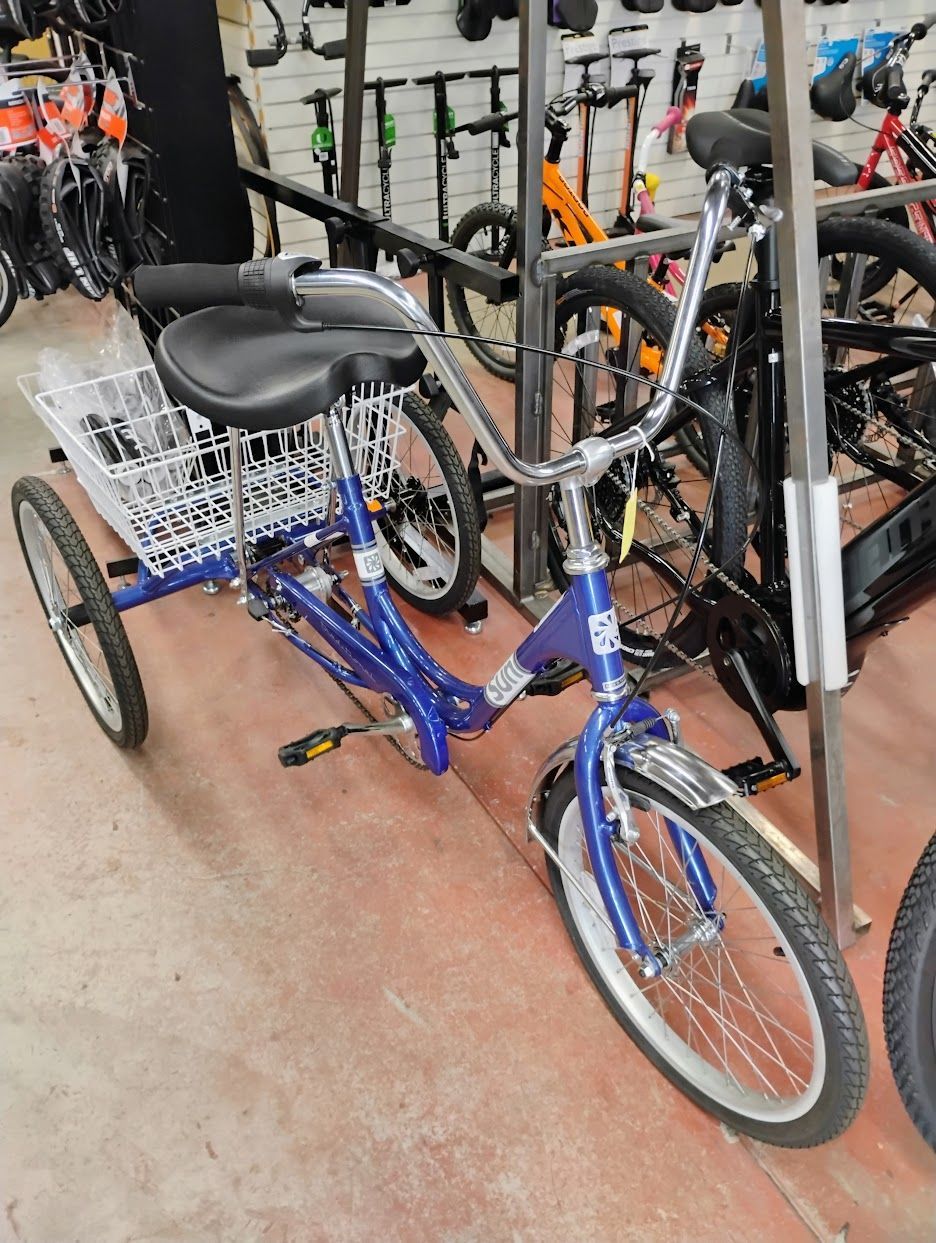
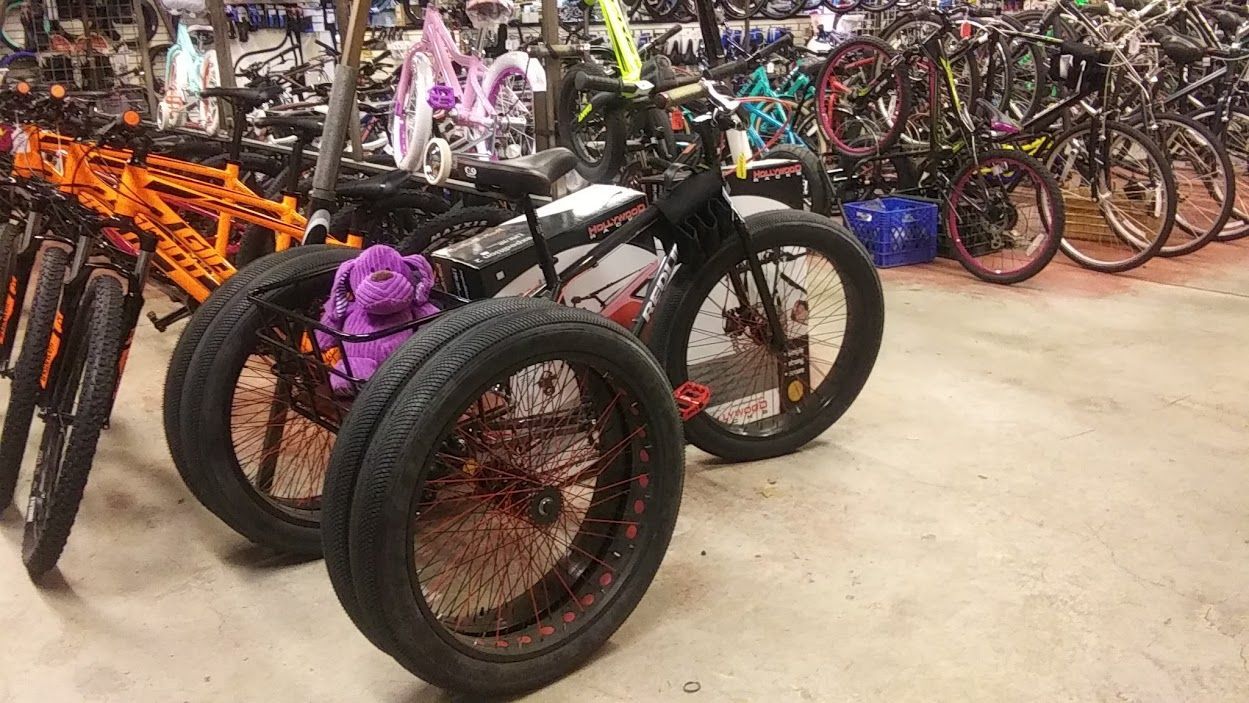
Engineering Through the Decades
Trace the Evolution of Design, Material, and Custom Culture
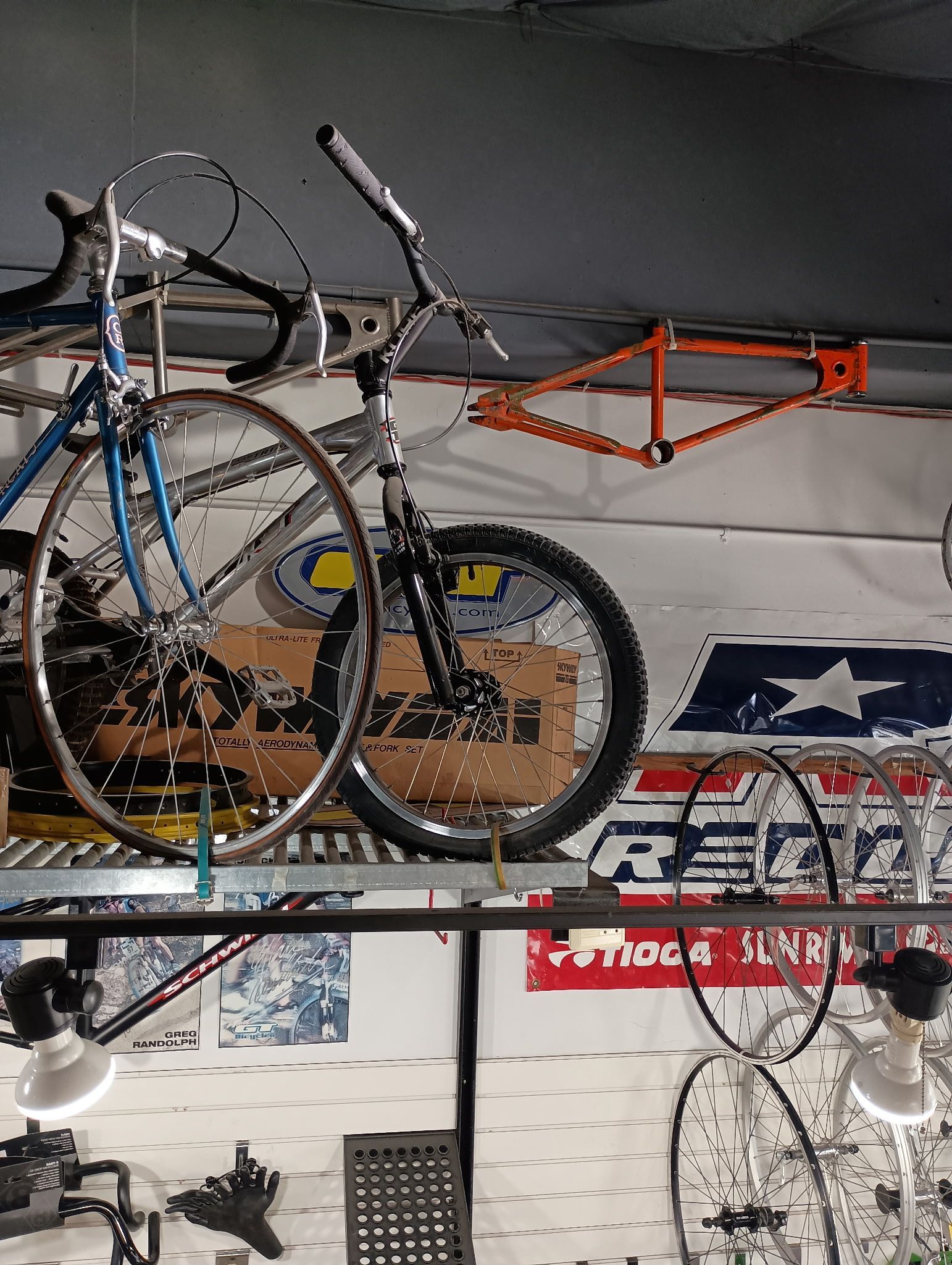
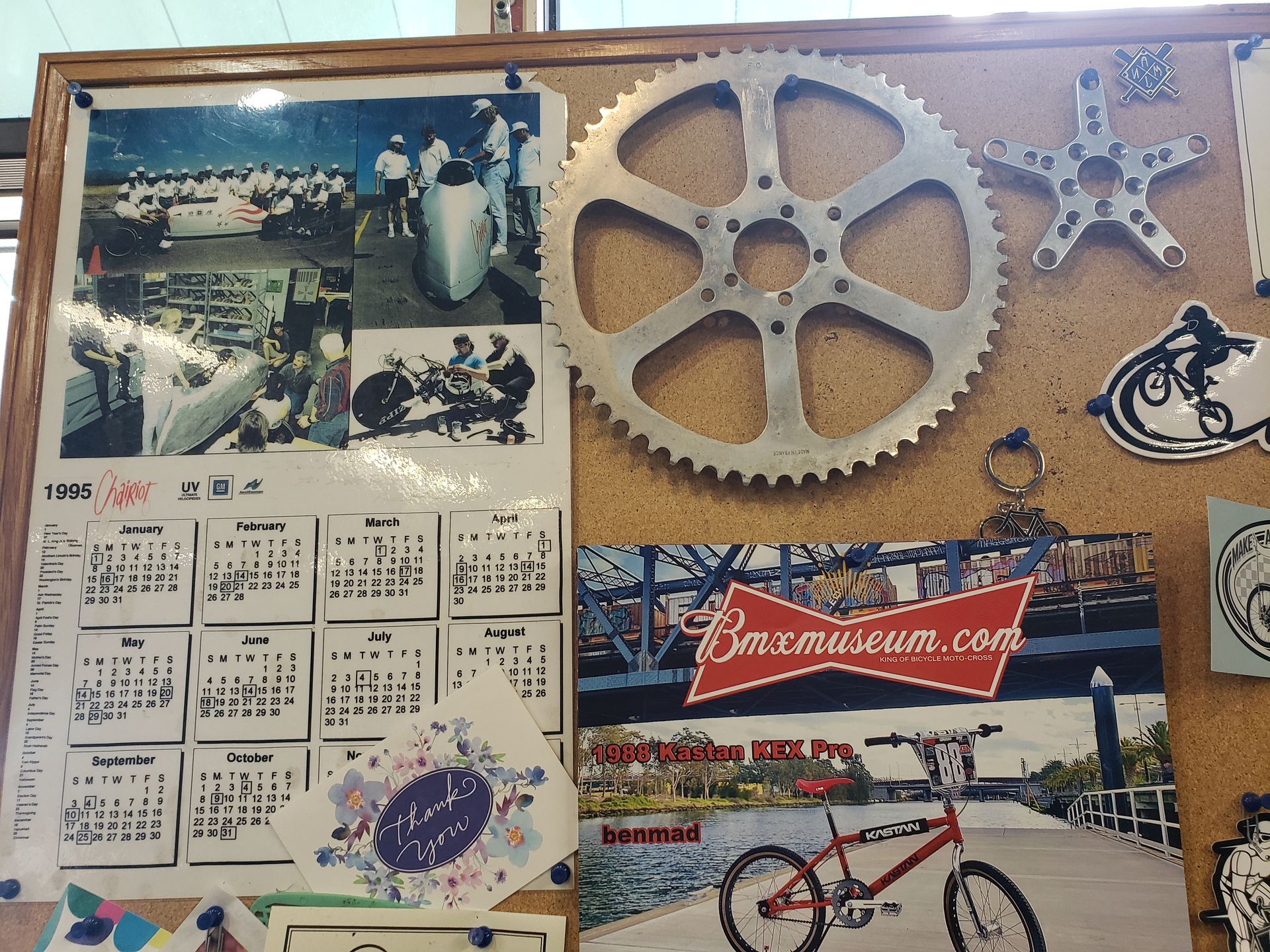
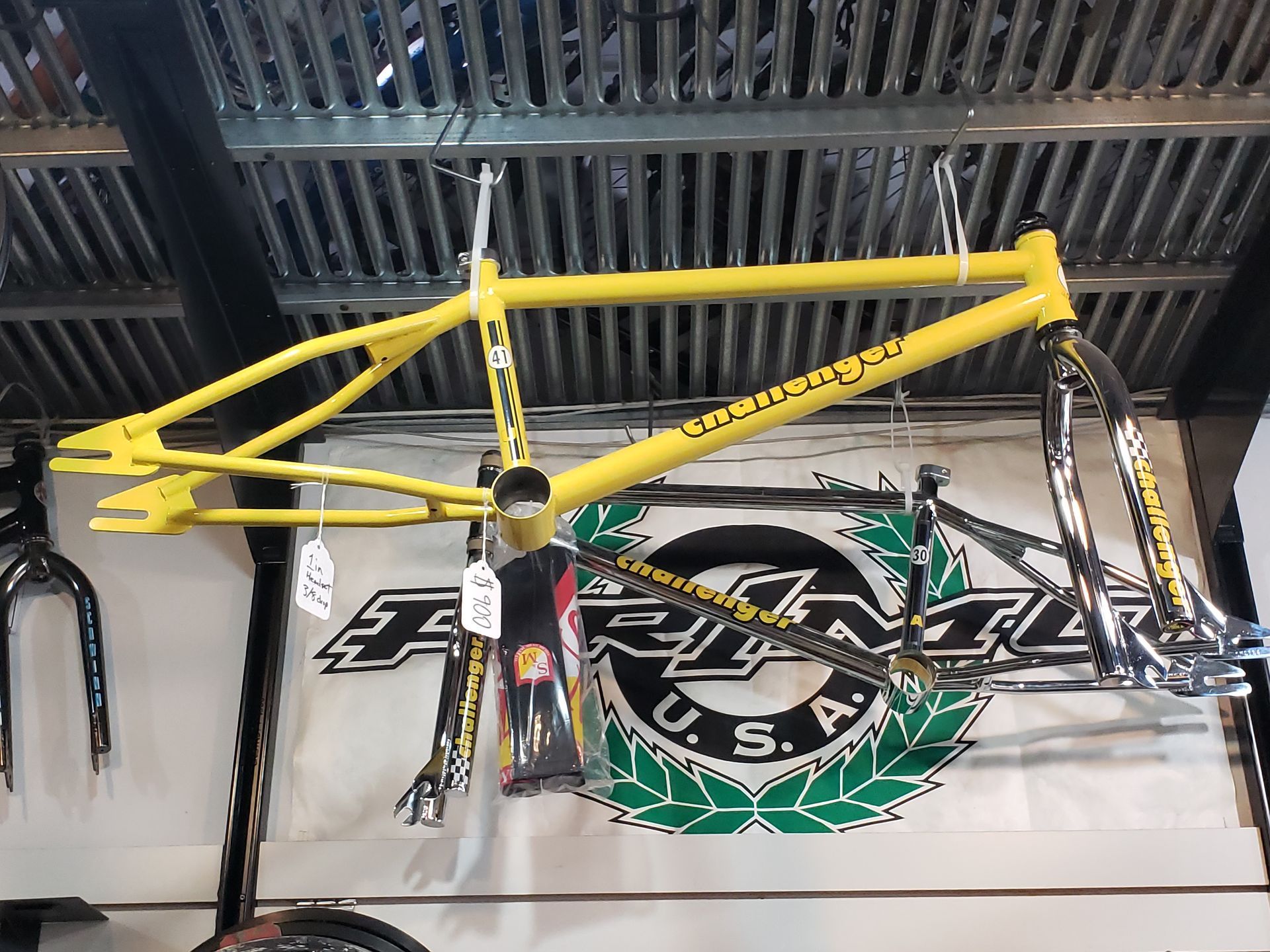
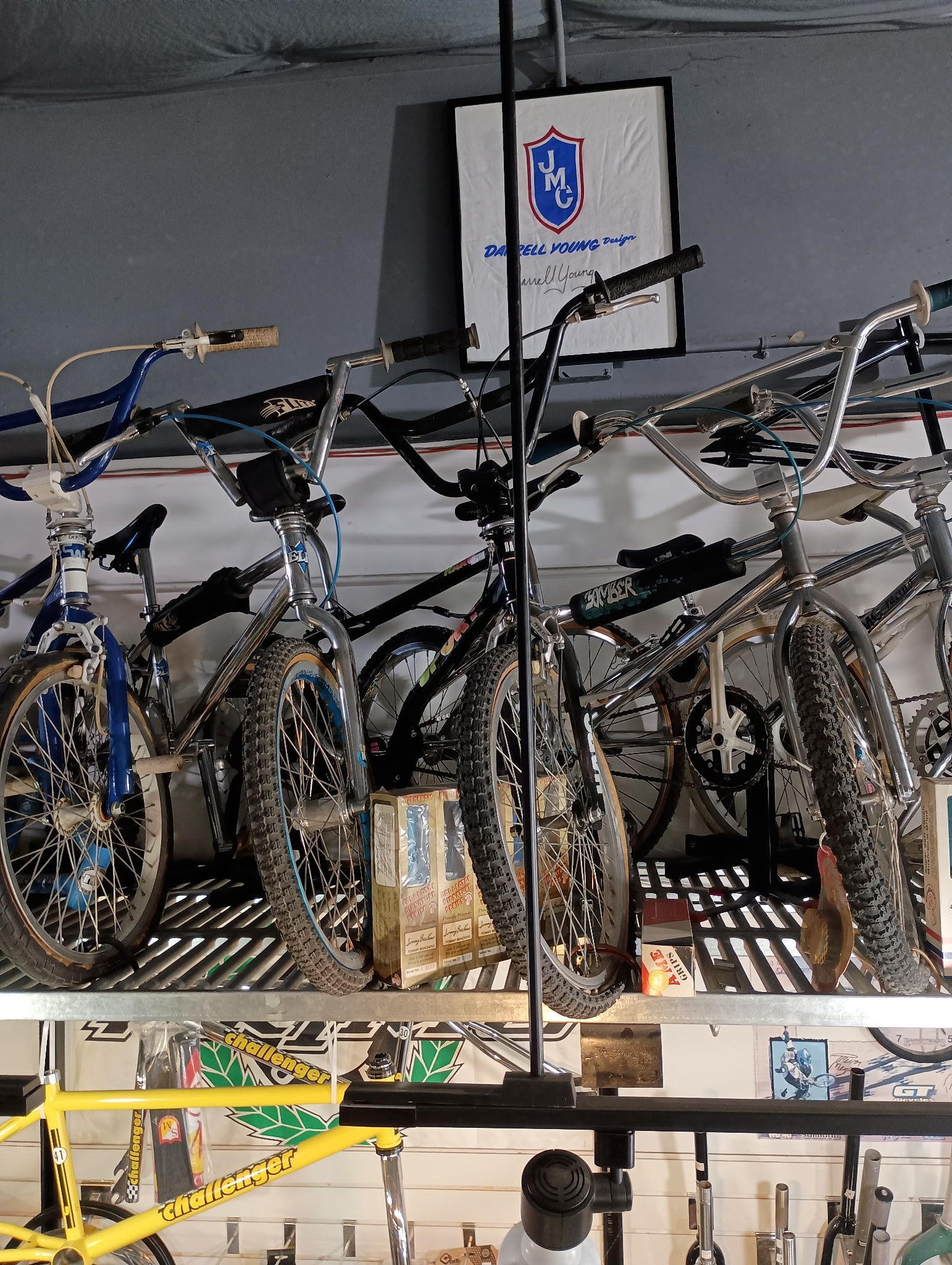
- The BMX Golden Era (1970s–1980s): Chrome-moly frames, anodized alloy rims, and iconic pad sets. Explore the lightweight competition rigs that started a global movement and gave rise to backyard ramp culture.
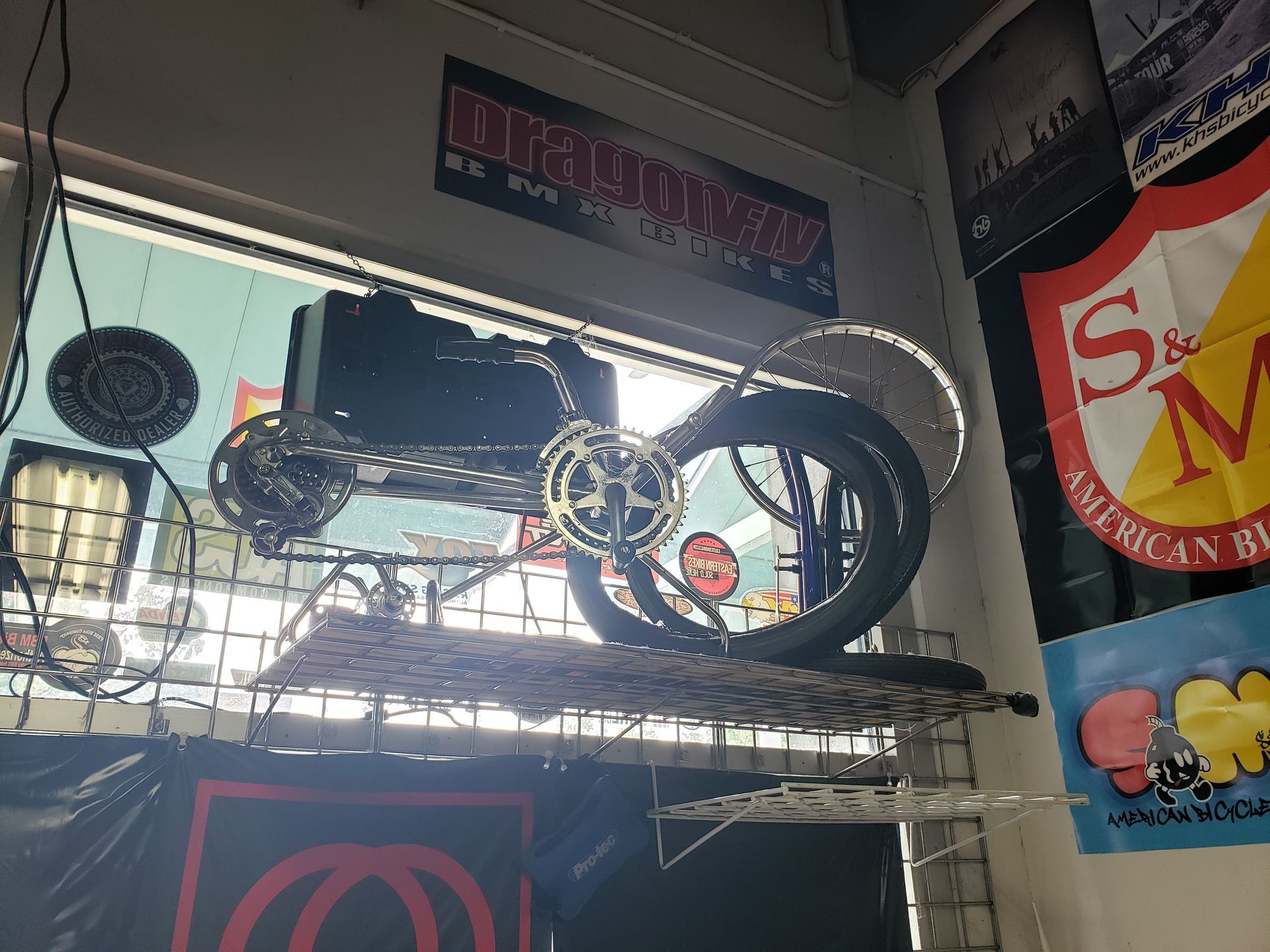
- The Custom & Chopper Vault: Heavy-gauge steel, extended rake forks, and low-slung frames built for the street. Discover how custom builders pushed geometry to its limits to create true rolling sculpture.
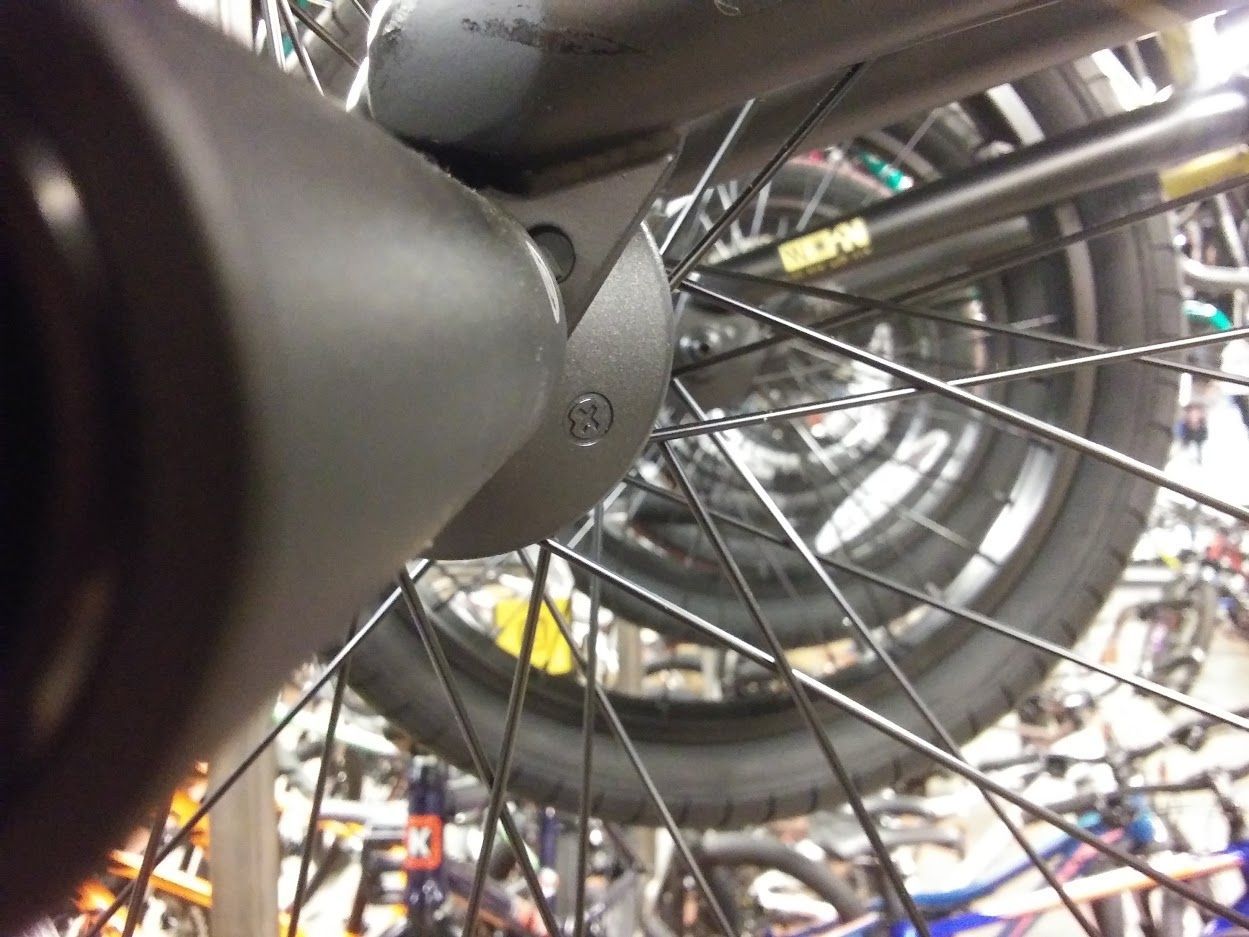
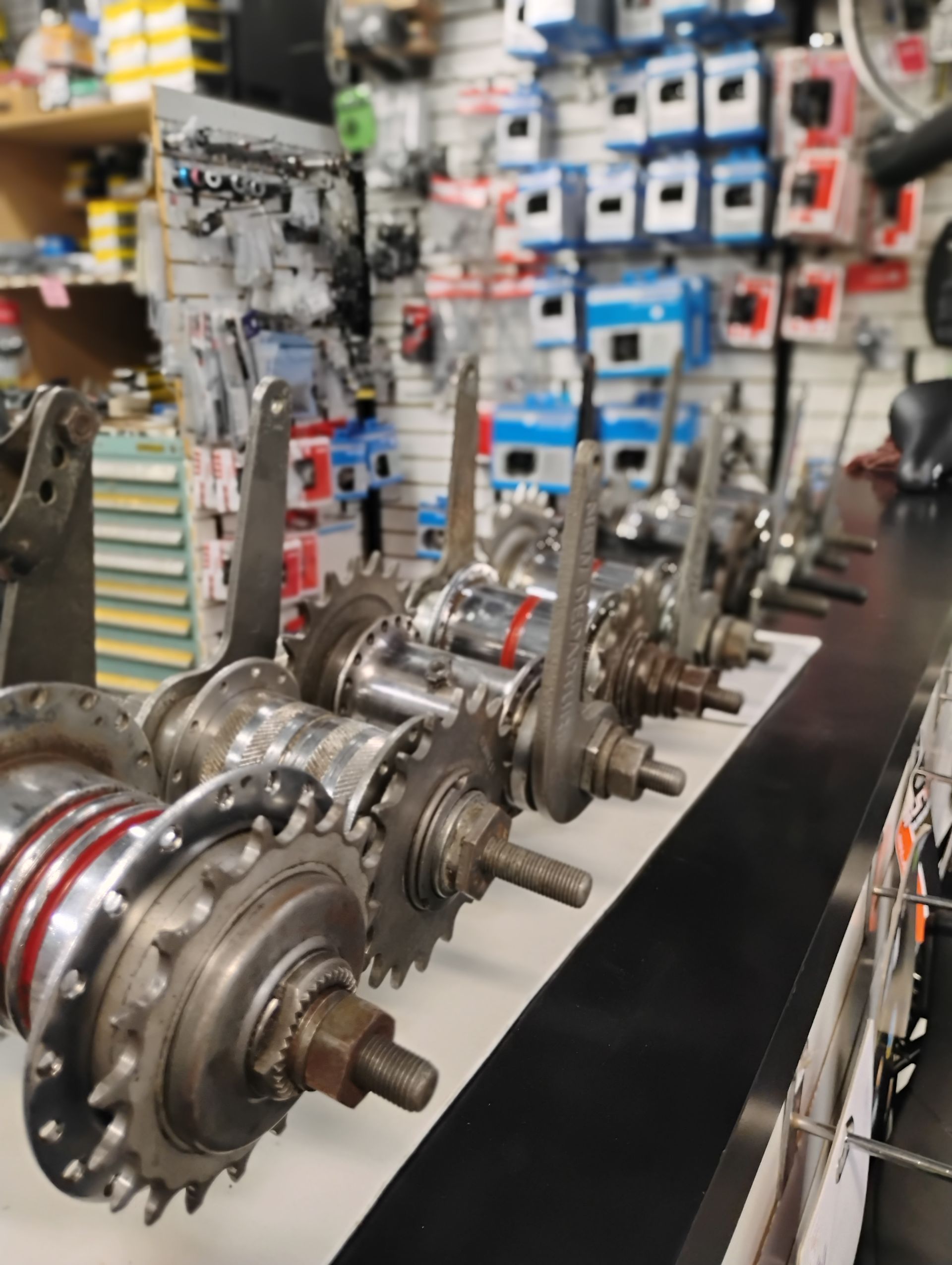
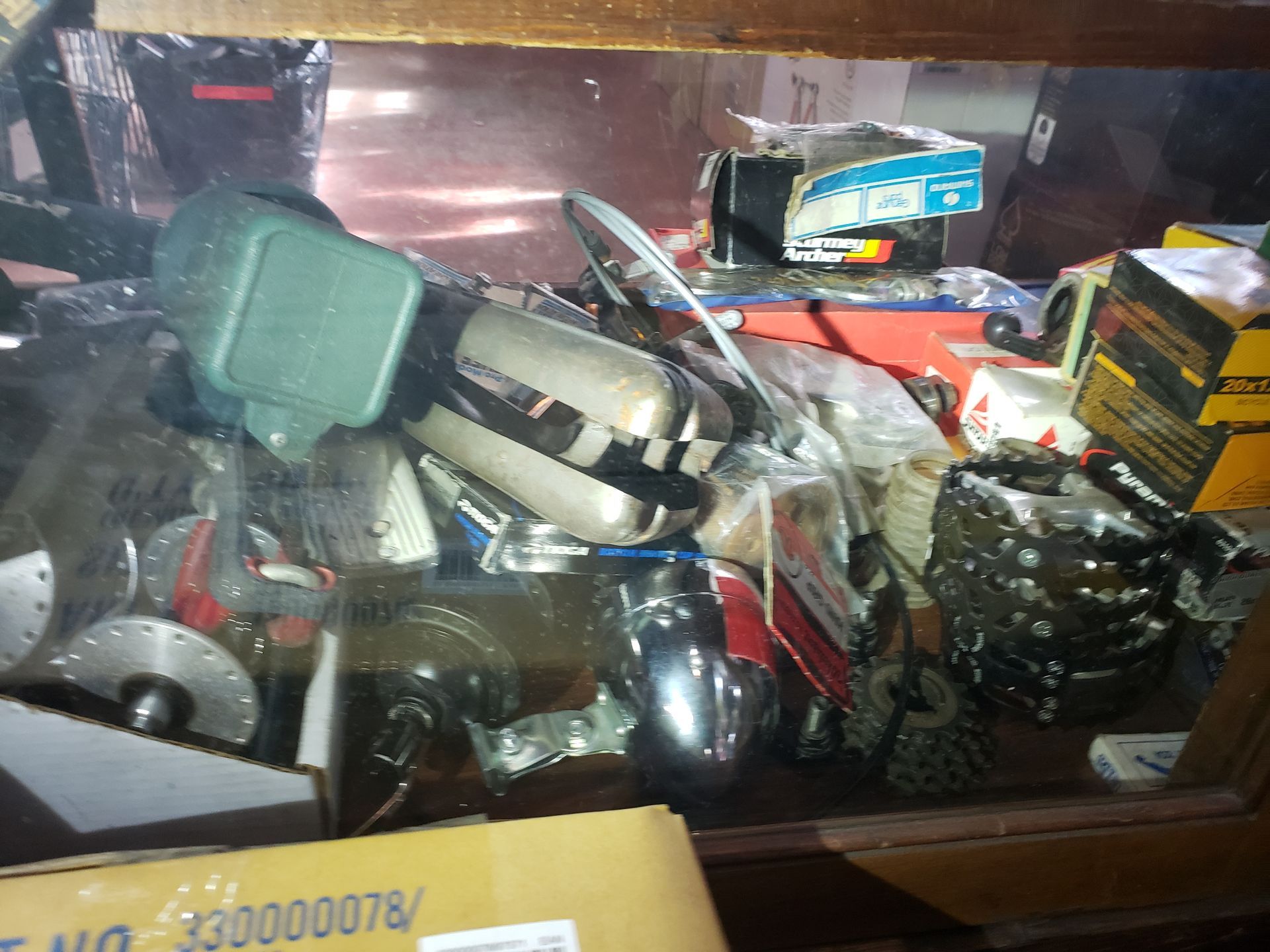
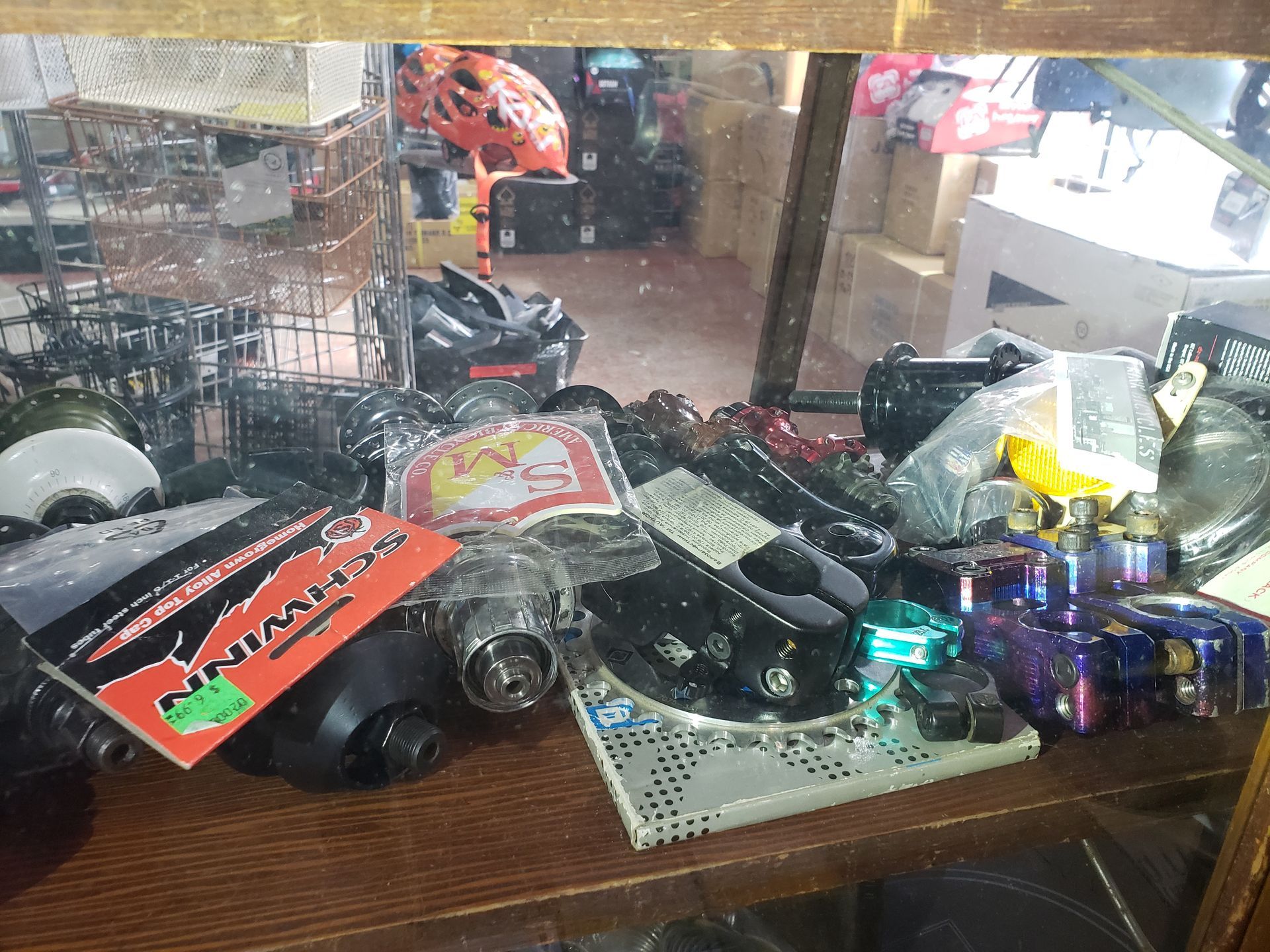
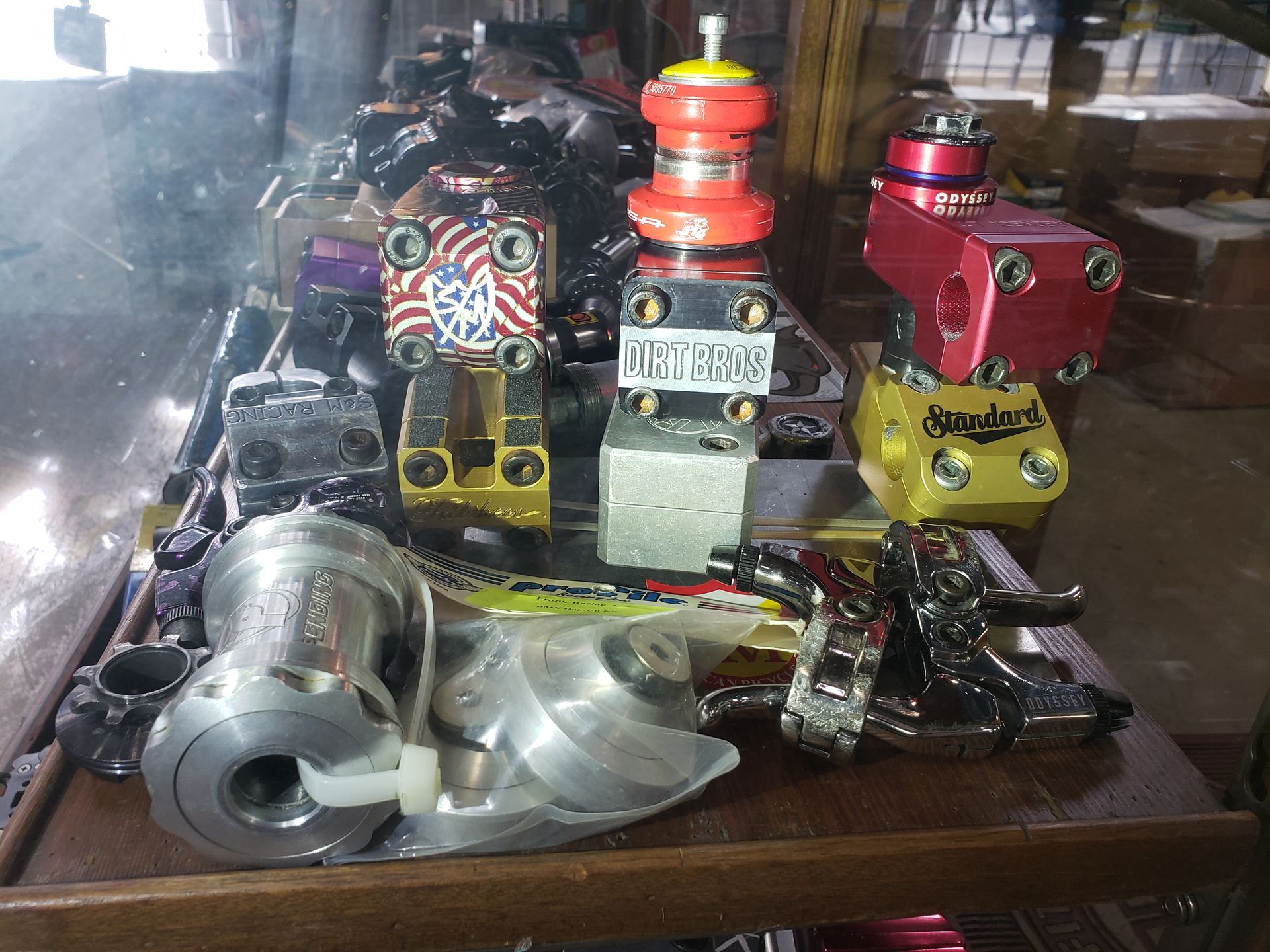
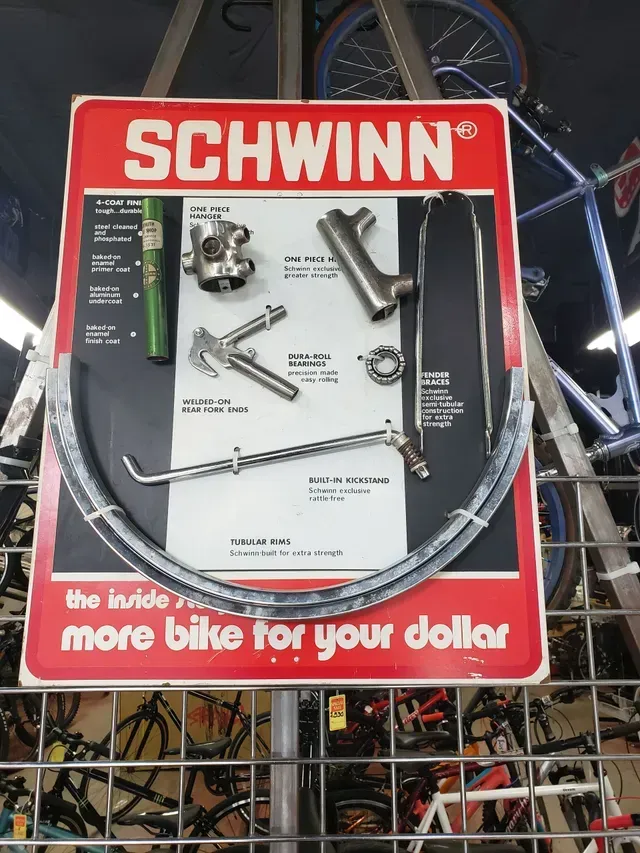
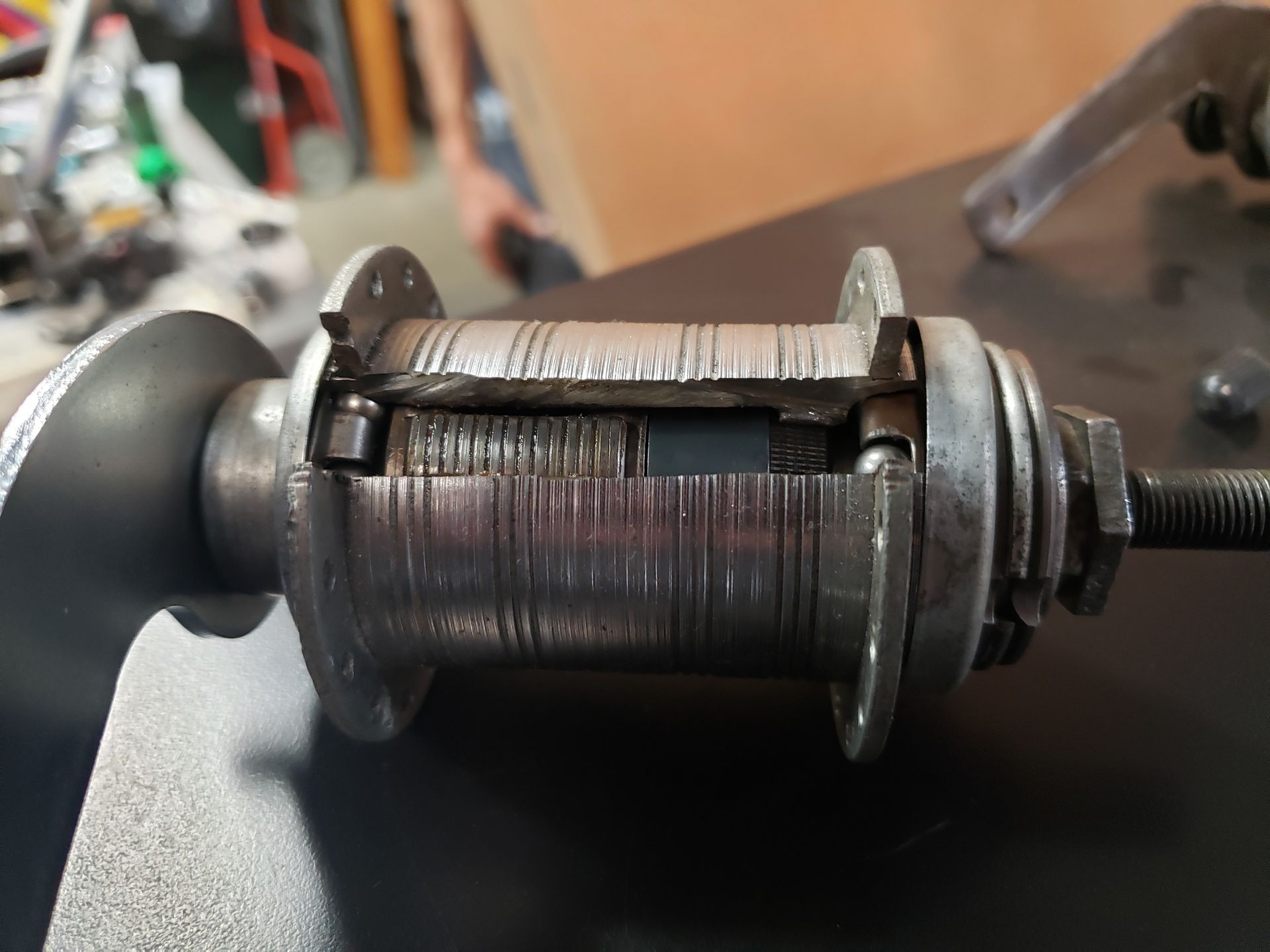
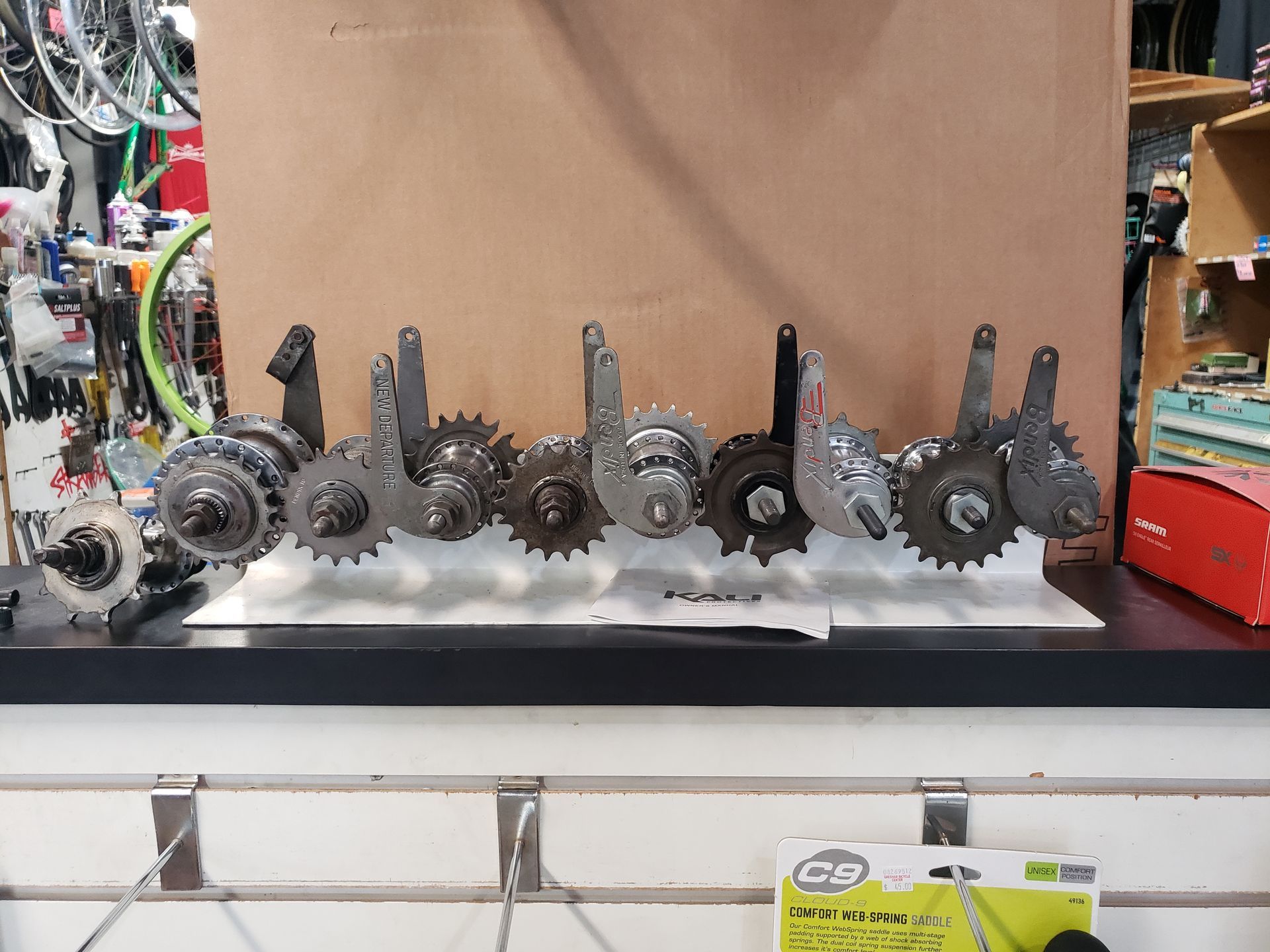
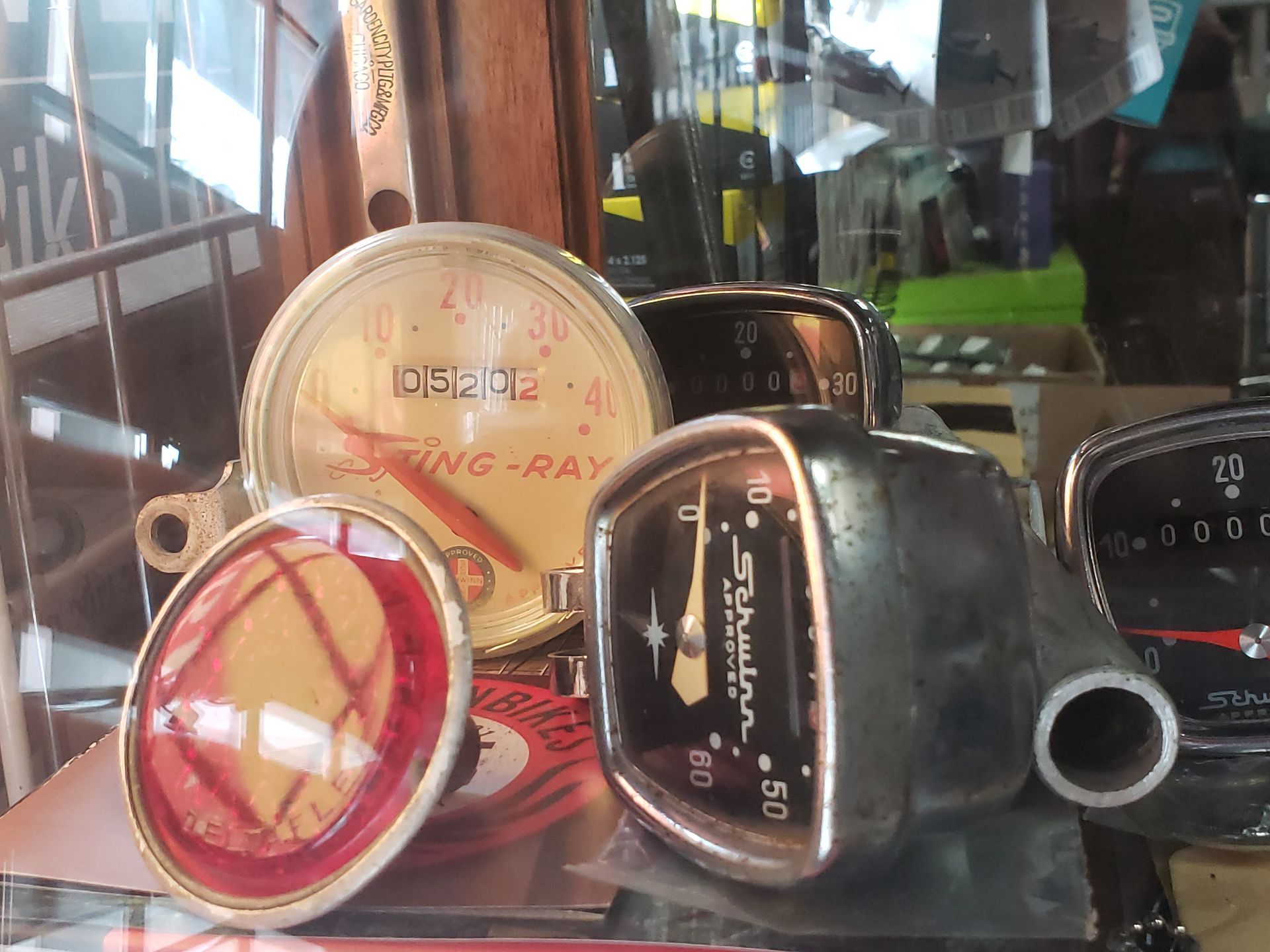
- Badge & Component Archives: Highlighting the rare, forgotten details—from vintage brass head tube badges to classic mechanical groupsets that paved the way for modern performance.
The Art of the Custom Bicycle
Where Craftsmanship Meets Individual Style
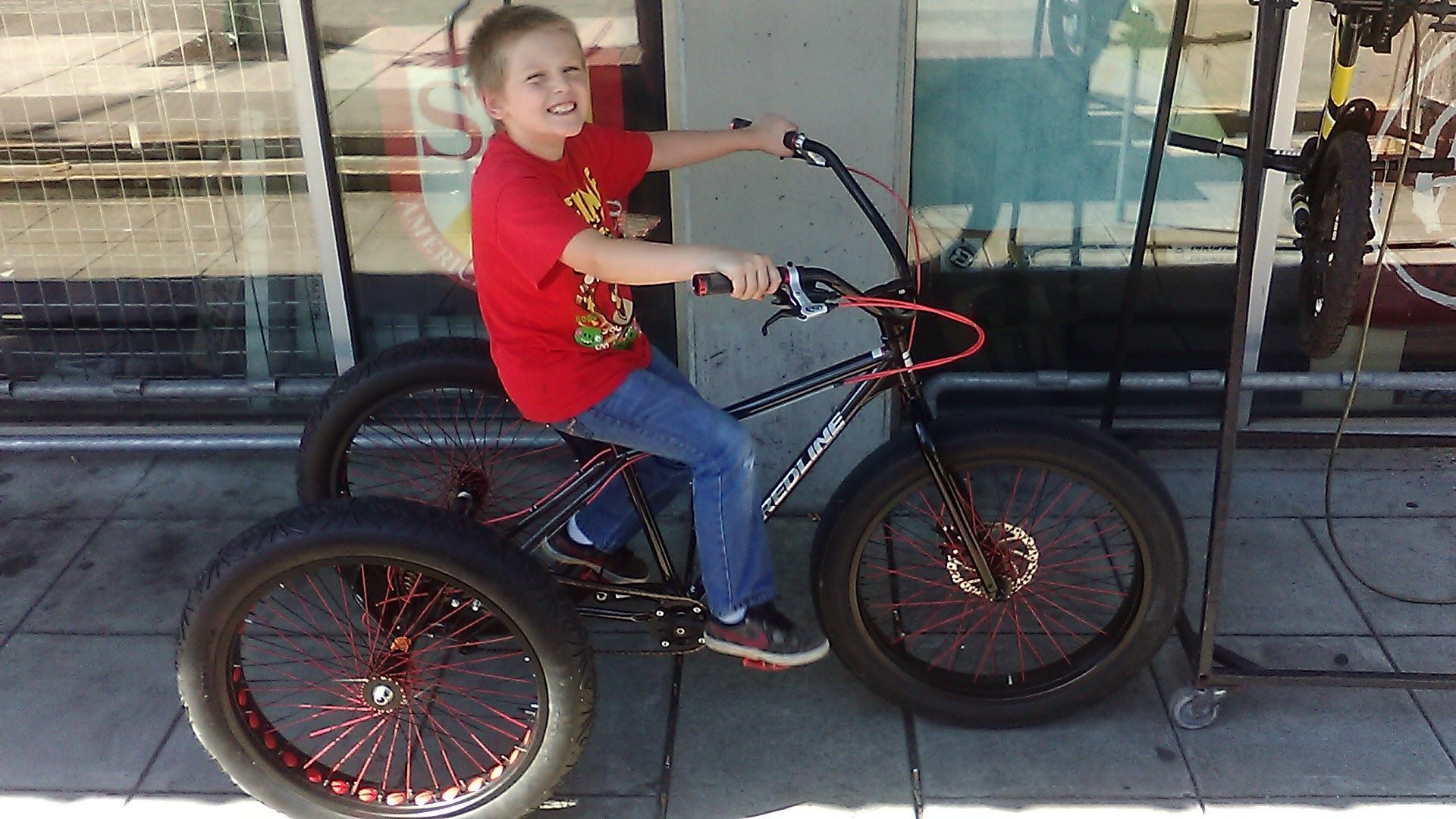
Long before custom bicycles became a way to express personal style, builders were already finding ways to make every bike different. From modified frames and unique paint jobs to carefully chosen components, custom bicycle building has always been about creativity, skill, and a love for the ride. At Gresham Bicycle Center, the museum celebrates that tradition through bikes that reflect the imagination of the people who built them.
Built With Character. Designed to Stand Out.
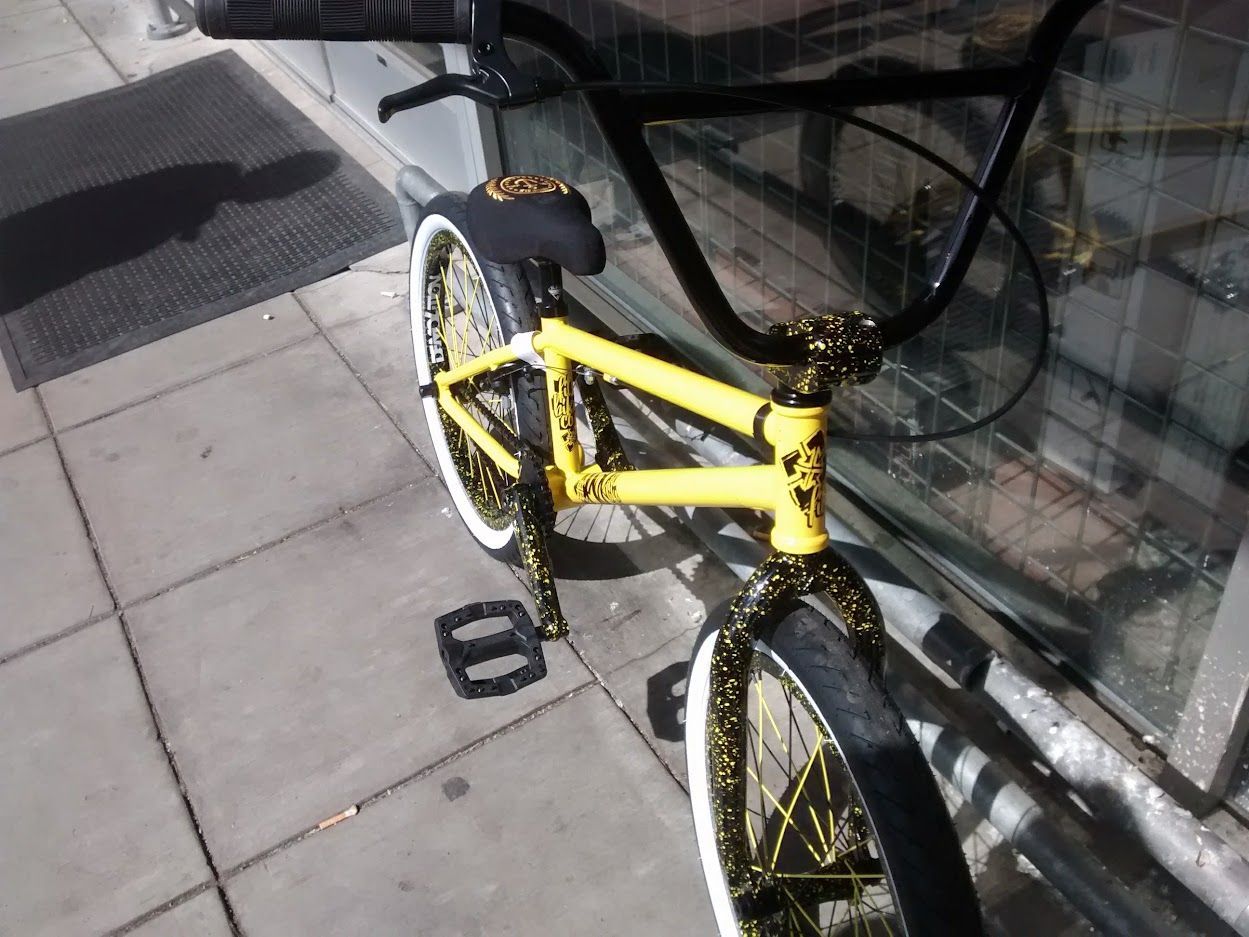
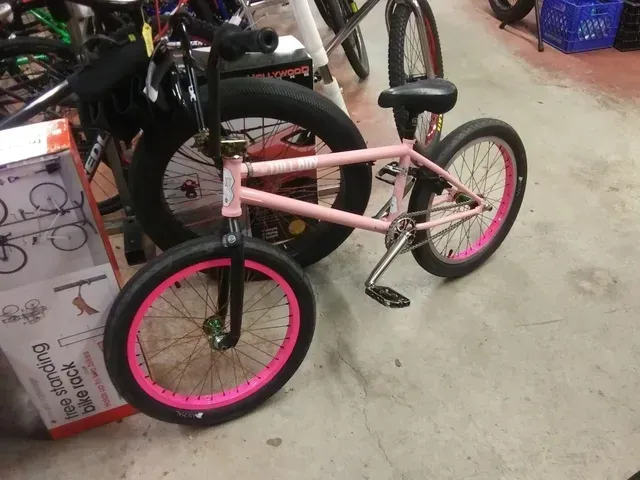
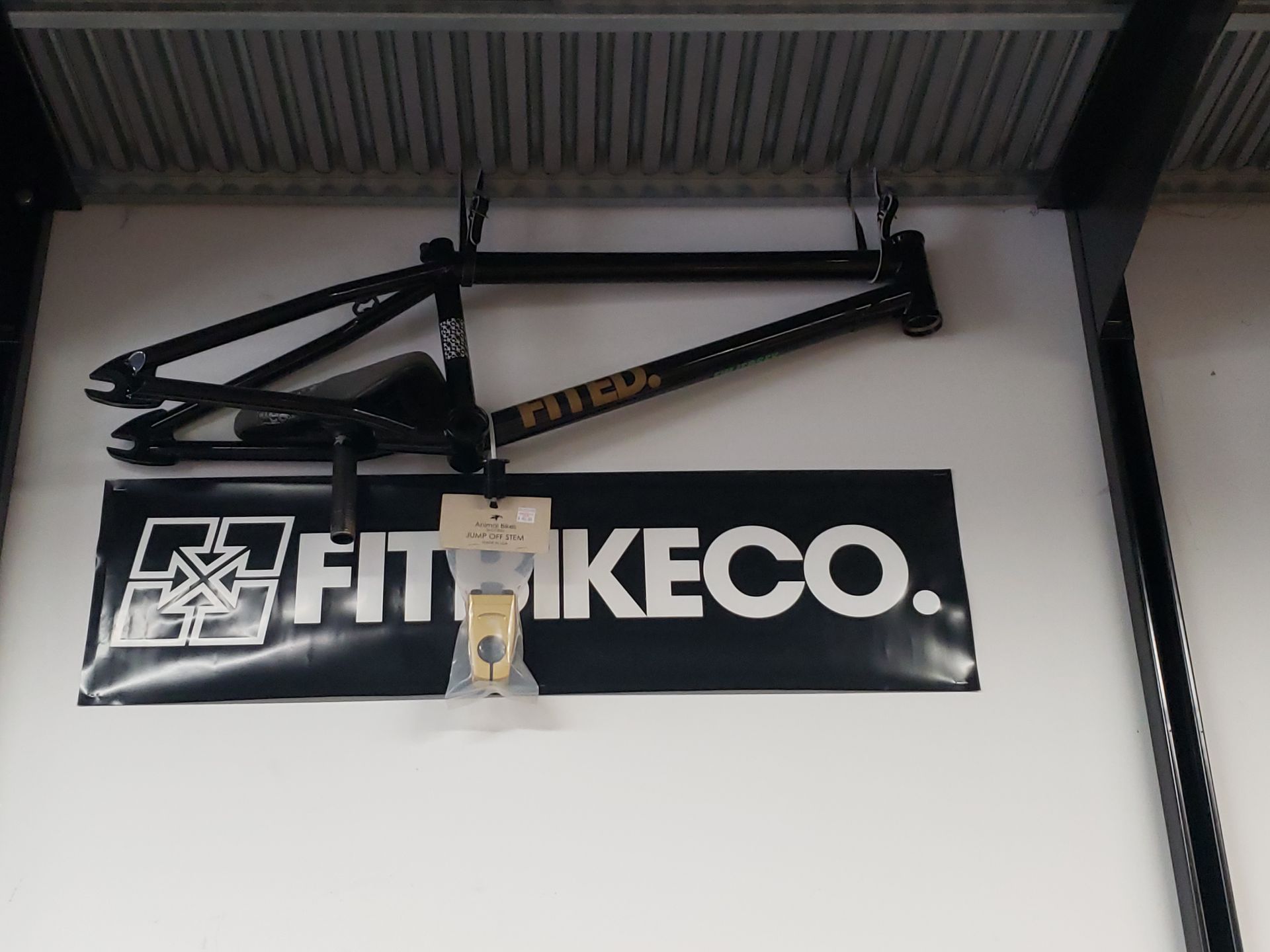
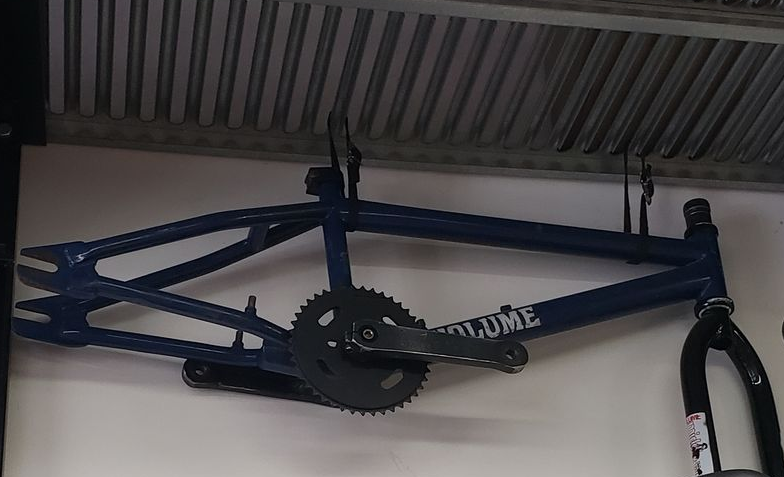
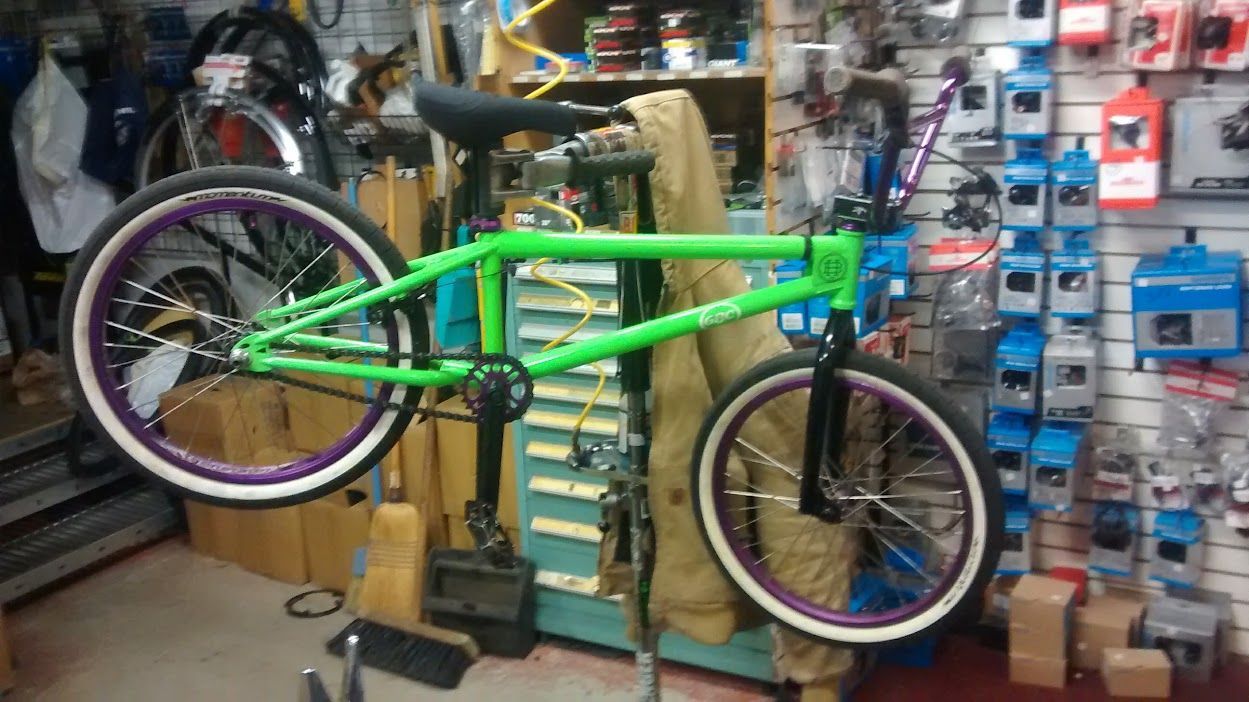
The Custom BMX Scene: From distinctive frame designs to colorful components and personalized setups, BMX riders have always found ways to make their bikes their own. Every modification tells a story about the rider, the era, and the culture that inspired it.
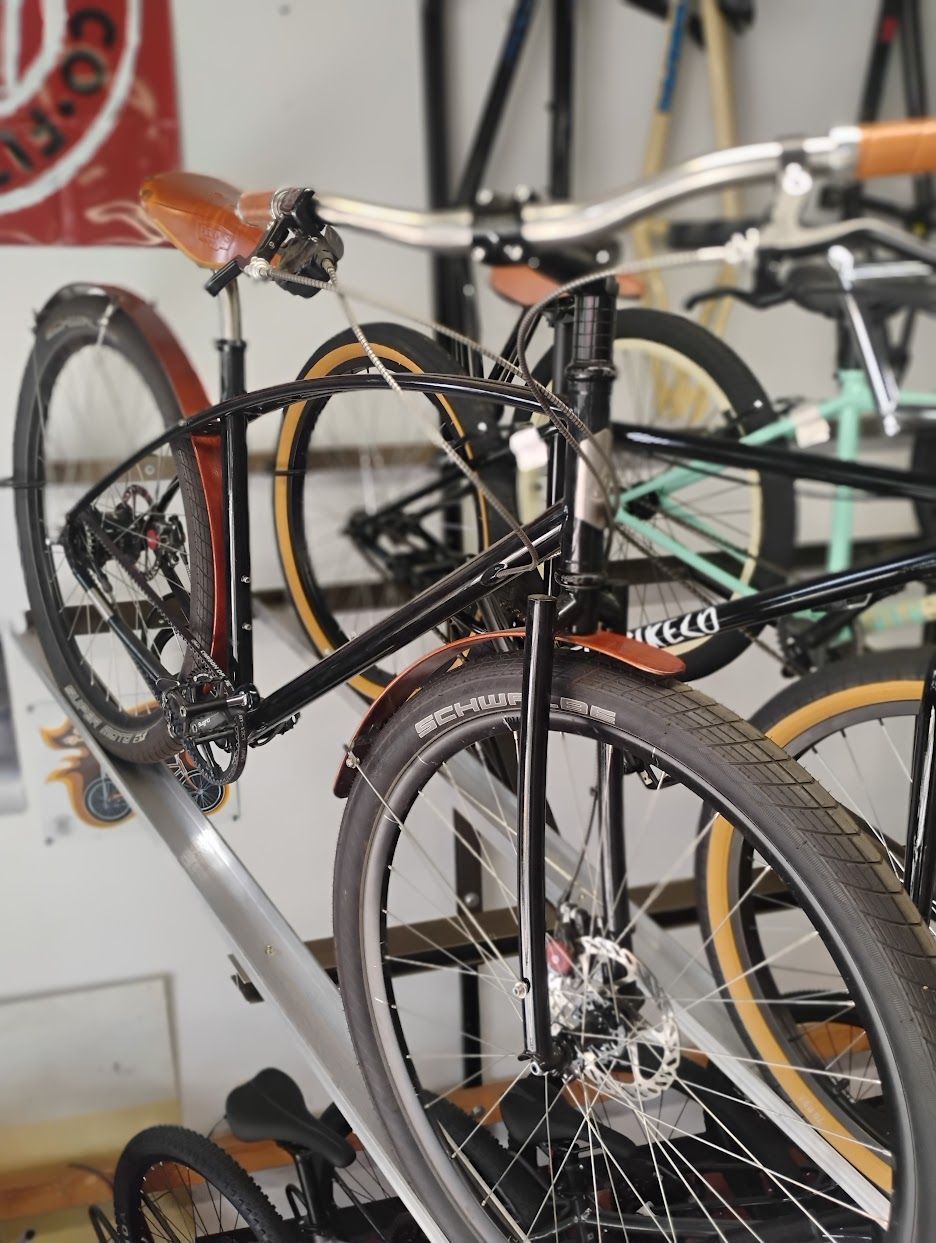
The Chopper Influence: Extended forks, stretched frames, and bold proportions helped turn custom bicycles into eye-catching creations. These builds pushed beyond traditional designs, giving builders the freedom to experiment with shapes and styles that were impossible to overlook.
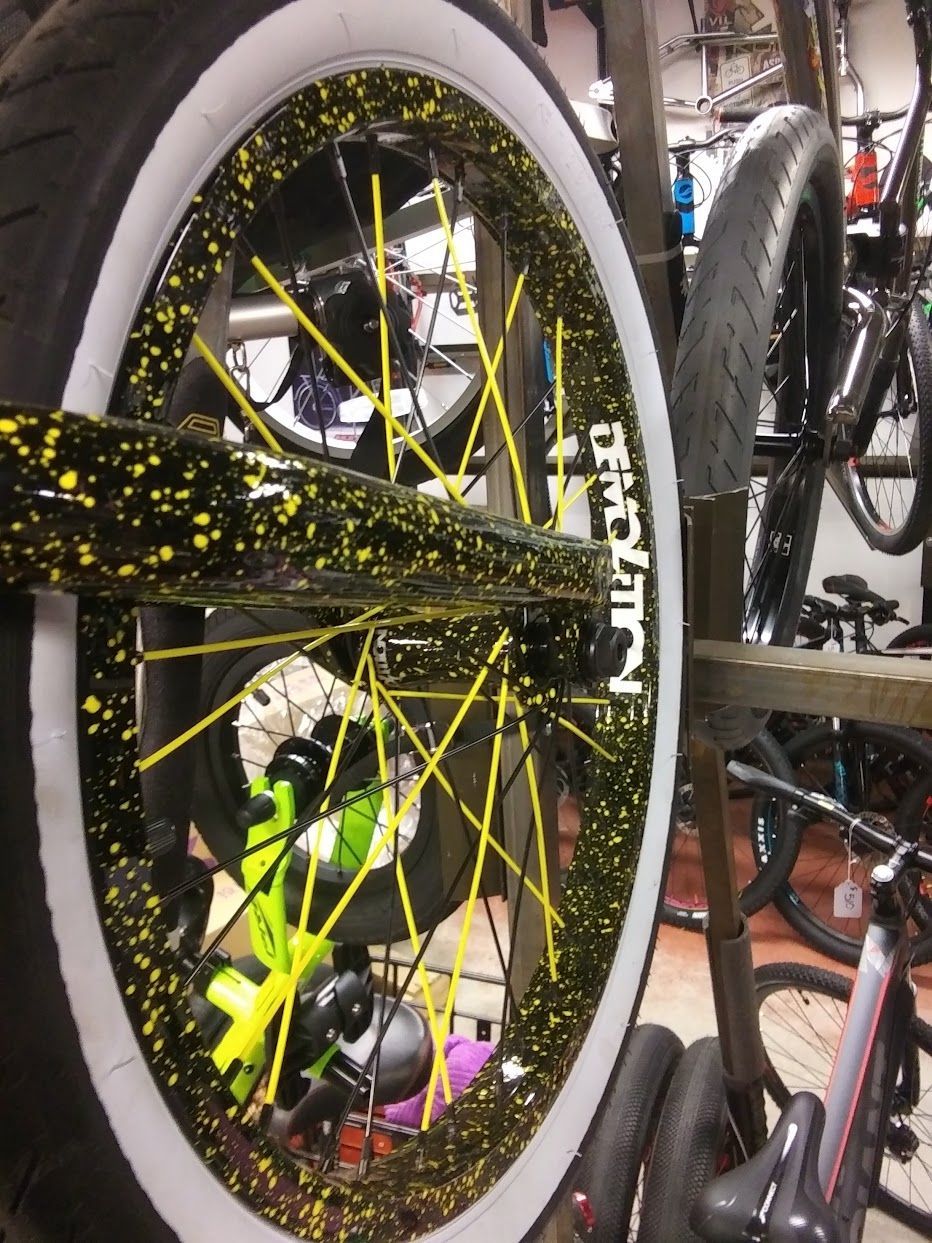
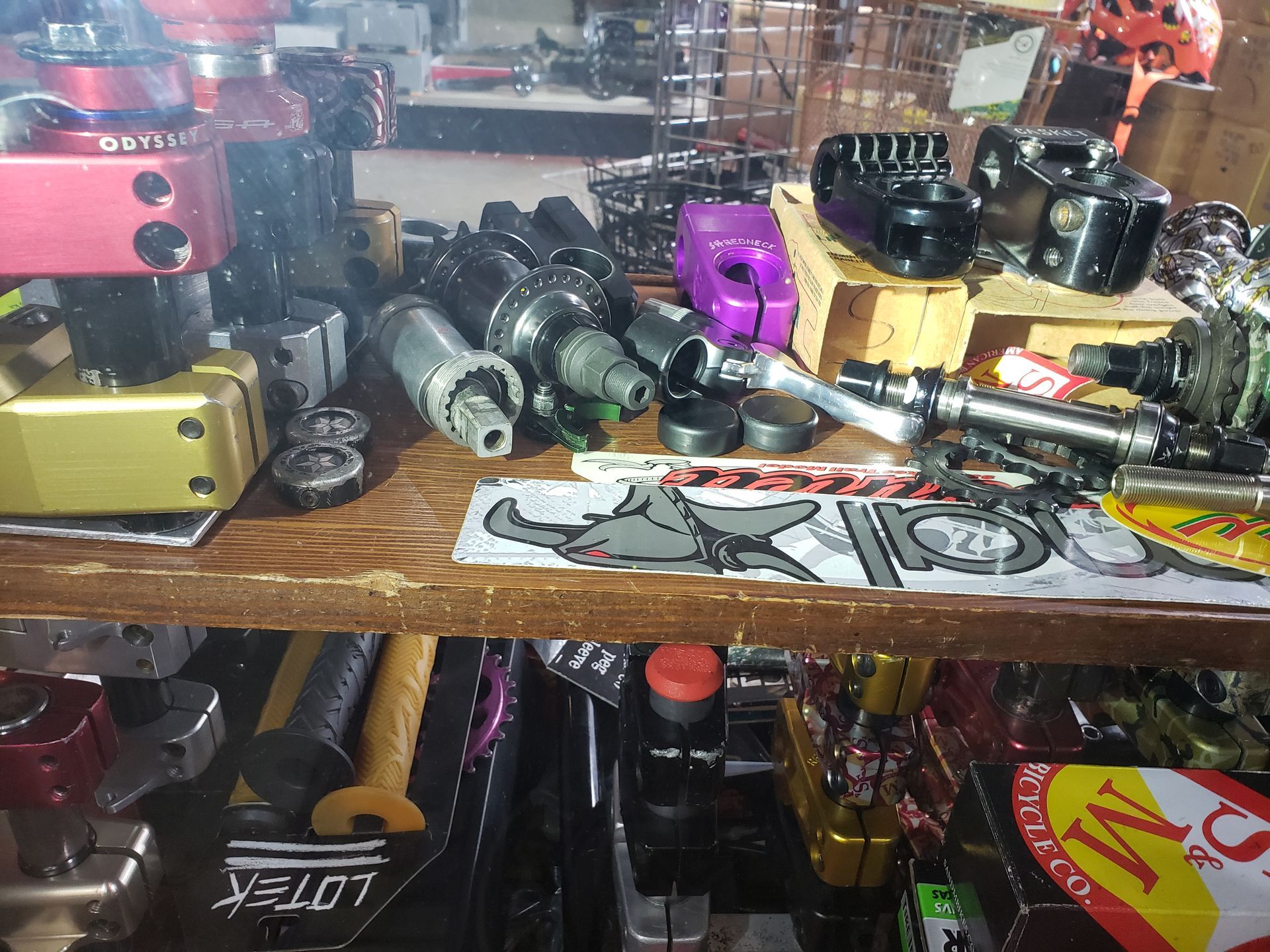
The Details That Make a Difference: Paint finishes, handlebars, saddles, wheels, and carefully selected components can completely change a bicycle's look and feel. These details showcase the patience and creativity that go into building something truly unique.
Custom bicycles remind us that cycling has never been just about getting from one place to another. It's also about putting your own stamp on the ride and creating something that reflects who you are.
From the Track to the Streets
How BMX Culture Changed the Way We Ride
BMX has always been about more than bicycles. It grew out of a hands-on riding culture where kids and enthusiasts pushed their bikes to the limit, learned new skills, and found creative ways to ride. From neighborhood dirt tracks to backyard ramps and competitive racing, BMX helped shape a generation of riders and left a lasting mark on cycling history.
A Culture Built on Creativity and Competition
The Early BMX Days: In the 1970s, young riders began taking inspiration from motocross, racing their bicycles on dirt tracks and creating their own versions of the sport. These early bikes and homegrown tracks helped lay the foundation for the BMX scene that followed.
Racing, Freestyle, and Everything in Between: As BMX grew, riders developed different ways to enjoy the sport. Some focused on speed and competition, while others explored jumps, tricks, and freestyle riding. Each style brought its own equipment, techniques, and personality to the culture.
More Than Just a Bike: BMX brought riders together through local competitions, neighborhood riding spots, bike shops, and shared experiences. The bikes became part of a lifestyle built around independence, skill, and the excitement of trying something new.
Today's BMX bikes continue to evolve, but the spirit behind the sport remains the same. The vintage machines preserved in the Gresham Bicycle Center Museum offer a glimpse into the bikes, ideas, and riding culture that helped make BMX what it is today.

Engineering Through the Decades
Trace the Evolution of Design, Material, and Custom Culture
- The BMX Golden Era (1970s–1980s): Chrome-moly frames, anodized alloy rims, and iconic pad sets. Explore the lightweight competition rigs that started a global movement and gave rise to backyard ramp culture.
- The Custom & Chopper Vault: Heavy-gauge steel, extended rake forks, and low-slung frames built for the street. Discover how custom builders pushed geometry to its limits to create true rolling sculpture.
- Badge & Component Archives: Highlighting the rare, forgotten details—from vintage brass head tube badges to classic mechanical groupsets that paved the way for modern performance.
From the Track to the Streets
How BMX Culture Changed the Way We Ride
BMX has always been about more than bicycles. It grew out of a hands-on riding culture where kids and enthusiasts pushed their bikes to the limit, learned new skills, and found creative ways to ride. From neighborhood dirt tracks to backyard ramps and competitive racing, BMX helped shape a generation of riders and left a lasting mark on cycling history.
A Culture Built on Creativity and Competition
The Early BMX Days: In the 1970s, young riders began taking inspiration from motocross, racing their bicycles on dirt tracks and creating their own versions of the sport. These early bikes and homegrown tracks helped lay the foundation for the BMX scene that followed.
Racing, Freestyle, and Everything in Between: As BMX grew, riders developed different ways to enjoy the sport. Some focused on speed and competition, while others explored jumps, tricks, and freestyle riding. Each style brought its own equipment, techniques, and personality to the culture.
More Than Just a Bike: BMX brought riders together through local competitions, neighborhood riding spots, bike shops, and shared experiences. The bikes became part of a lifestyle built around independence, skill, and the excitement of trying something new.
Today's BMX bikes continue to evolve, but the spirit behind the sport remains the same. The vintage machines preserved in the Gresham Bicycle Center Museum offer a glimpse into the bikes, ideas, and riding culture that helped make BMX what it is today.
Preserving the Soul of Two Wheels
Step Inside Gresham’s Living Time Capsule
Before carbon fiber and digital telemetry took over, cycling was defined by raw steel, hand-pulled welds, and bold ingenuity. The Vault at Gresham Bicycle Center isn’t just a static display—it’s an active home for the rare icons, legendary custom builds, and groundbreaking frames that shaped modern bike culture.
From the high-stakes BMX tracks of the 1980s to one-of-a-kind custom choppers engineered right on our shop floor, every machine in this space tells a story of craftsmanship, sweat, and speed. Whether you're hunting down a piece of childhood nostalgia or marveling at retro component engineering, you're looking at the exact DNA of cycling history.
The Art of the Custom Bicycle
Where Craftsmanship Meets Individual Style
Long before custom bicycles became a way to express personal style, builders were already finding ways to make every bike different. From modified frames and unique paint jobs to carefully chosen components, custom bicycle building has always been about creativity, skill, and a love for the ride. At Gresham Bicycle Center, the museum celebrates that tradition through bikes that reflect the imagination of the people who built them.
Built With Character. Designed to Stand Out.
The Custom BMX Scene: From distinctive frame designs to colorful components and personalized setups, BMX riders have always found ways to make their bikes their own. Every modification tells a story about the rider, the era, and the culture that inspired it.
The Chopper Influence: Extended forks, stretched frames, and bold proportions helped turn custom bicycles into eye-catching creations. These builds pushed beyond traditional designs, giving builders the freedom to experiment with shapes and styles that were impossible to overlook.
The Details That Make a Difference: Paint finishes, handlebars, saddles, wheels, and carefully selected components can completely change a bicycle's look and feel. These details showcase the patience and creativity that go into building something truly unique.
Custom bicycles remind us that cycling has never been just about getting from one place to another. It's also about putting your own stamp on the ride and creating something that reflects who you are.
Engineering Through the Decades
Trace the Evolution of Design, Material, and Custom Culture
- The BMX Golden Era (1970s–1980s): Chrome-moly frames, anodized alloy rims, and iconic pad sets. Explore the lightweight competition rigs that started a global movement and gave rise to backyard ramp culture.
- The Custom & Chopper Vault: Heavy-gauge steel, extended rake forks, and low-slung frames built for the street. Discover how custom builders pushed geometry to its limits to create true rolling sculpture.
- Badge & Component Archives: Highlighting the rare, forgotten details—from vintage brass head tube badges to classic mechanical groupsets that paved the way for modern performance.
From the Track to the Streets
How BMX Culture Changed the Way We Ride
BMX has always been about more than bicycles. It grew out of a hands-on riding culture where kids and enthusiasts pushed their bikes to the limit, learned new skills, and found creative ways to ride. From neighborhood dirt tracks to backyard ramps and competitive racing, BMX helped shape a generation of riders and left a lasting mark on cycling history.
A Culture Built on Creativity and Competition
The Early BMX Days: In the 1970s, young riders began taking inspiration from motocross, racing their bicycles on dirt tracks and creating their own versions of the sport. These early bikes and homegrown tracks helped lay the foundation for the BMX scene that followed.
Racing, Freestyle, and Everything in Between: As BMX grew, riders developed different ways to enjoy the sport. Some focused on speed and competition, while others explored jumps, tricks, and freestyle riding. Each style brought its own equipment, techniques, and personality to the culture.
More Than Just a Bike: BMX brought riders together through local competitions, neighborhood riding spots, bike shops, and shared experiences. The bikes became part of a lifestyle built around independence, skill, and the excitement of trying something new.
Today's BMX bikes continue to evolve, but the spirit behind the sport remains the same. The vintage machines preserved in the Gresham Bicycle Center Museum offer a glimpse into the bikes, ideas, and riding culture that helped make BMX what it is today.
Preserving the Soul of Two Wheels
Step Inside Gresham’s Living Time Capsule
Before carbon fiber and digital telemetry took over, cycling was defined by raw steel, hand-pulled welds, and bold ingenuity. The Vault at Gresham Bicycle Center isn’t just a static display—it’s an active home for the rare icons, legendary custom builds, and groundbreaking frames that shaped modern bike culture.
From the high-stakes BMX tracks of the 1980s to one-of-a-kind custom choppers engineered right on our shop floor, every machine in this space tells a story of craftsmanship, sweat, and speed. Whether you're hunting down a piece of childhood nostalgia or marveling at retro component engineering, you're looking at the exact DNA of cycling history.
The Art of the Custom Bicycle
Where Craftsmanship Meets Individual Style
Long before custom bicycles became a way to express personal style, builders were already finding ways to make every bike different. From modified frames and unique paint jobs to carefully chosen components, custom bicycle building has always been about creativity, skill, and a love for the ride. At Gresham Bicycle Center, the museum celebrates that tradition through bikes that reflect the imagination of the people who built them.
Built With Character. Designed to Stand Out.
The Custom BMX Scene: From distinctive frame designs to colorful components and personalized setups, BMX riders have always found ways to make their bikes their own. Every modification tells a story about the rider, the era, and the culture that inspired it.
The Chopper Influence: Extended forks, stretched frames, and bold proportions helped turn custom bicycles into eye-catching creations. These builds pushed beyond traditional designs, giving builders the freedom to experiment with shapes and styles that were impossible to overlook.
The Details That Make a Difference: Paint finishes, handlebars, saddles, wheels, and carefully selected components can completely change a bicycle's look and feel. These details showcase the patience and creativity that go into building something truly unique.
Custom bicycles remind us that cycling has never been just about getting from one place to another. It's also about putting your own stamp on the ride and creating something that reflects who you are.
Plan Your Visit & Get In Touch
Experience The Vault in Person
Whether you’re looking to explore cycling history up close, discuss a vintage restoration, or contribute a unique piece to our growing collection, we’d love to connect with you.
Visit the Museum
Gresham Bicycle Center
1261 SE Division St, Gresham, OR 97030
Located inside the main store.
Hours of Operation
Tuesday – Saturday: 10:00 AM – 6:00 PM
Sunday & Monday: Closed
Contact Us
We will get back to you as soon as possible.
Please try again later.